
Losing a tooth is about much more than leaving a gap in your smile. Once a tooth is lost or extracted, the jawbone that once supported it begins to shrink naturally over time. Many patients are surprised to learn that this bone loss can make it difficult—or even impossible—to place a dental implant without first rebuilding the area.
The good news is that modern bone grafting procedures can restore lost bone, creating a strong and stable foundation for long-lasting dental implants.
At Dr. Bradley Lander Periodontics, we frequently perform bone grafting procedures to help patients become candidates for successful dental implant treatment. Whether you’ve recently lost a tooth or have experienced bone loss over several years, bone grafting can play an important role in restoring both your oral health and your smile.
If you’re considering Bone Grafting Beverly Hills, understanding why bone loss occurs and how grafting supports dental implants can help you feel more confident about your treatment.
What Is Bone Grafting?
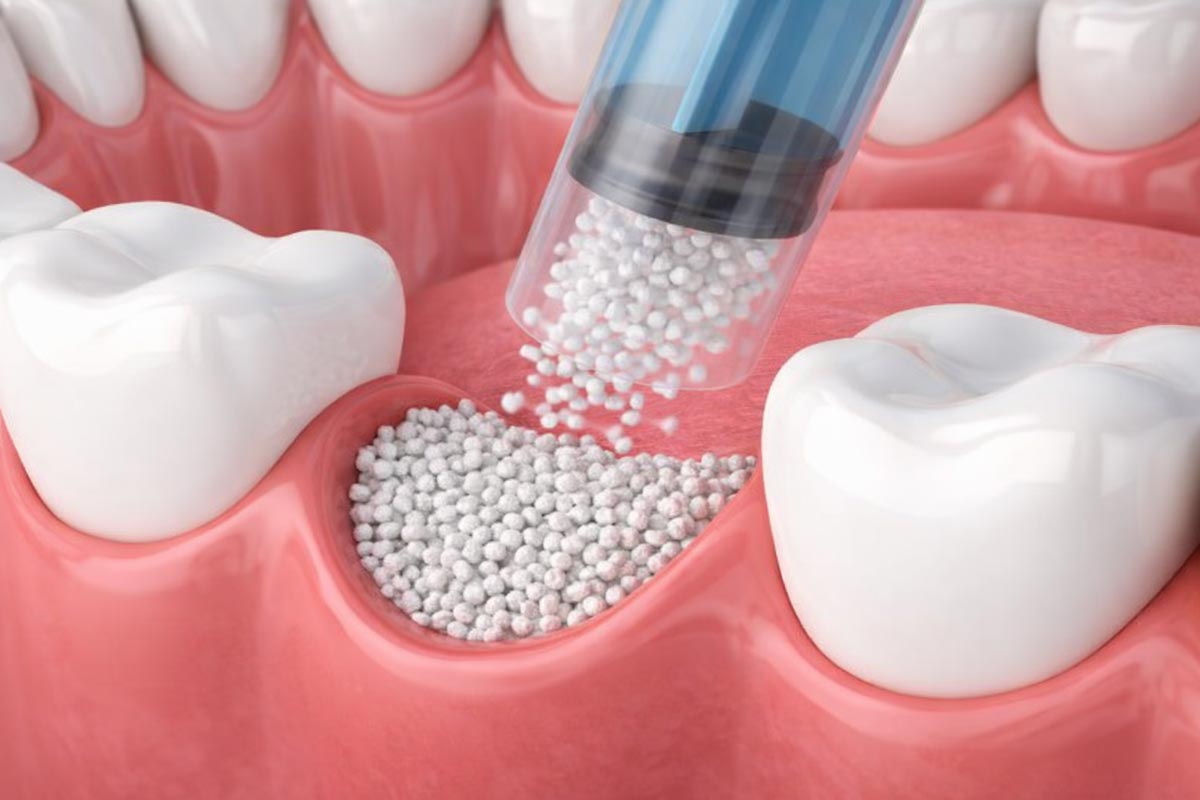
Bone grafting is a surgical procedure designed to rebuild areas of the jaw where bone has been lost.
During the procedure, specialised bone grafting material is placed into the affected area. Over time, your body naturally integrates this material and generates new bone, strengthening the jaw and creating the support needed for future dental implants.
Bone grafting is one of the most predictable procedures performed in modern periodontics and has helped thousands of patients successfully restore missing teeth.
Why Does Bone Loss Occur?
Your jawbone relies on the stimulation provided by tooth roots to maintain its strength and density.
When a tooth is lost, that stimulation disappears. Without it, the body begins to reabsorb the bone in that area.
This process, known as bone resorption, begins surprisingly quickly and continues over time.
Bone loss may occur because of:
- Tooth extraction
- Missing teeth
- Advanced gum disease
- Trauma or injury
- Dental infections
- Long-term denture use
The longer a tooth has been missing, the greater the likelihood that significant bone loss has occurred.
This is why replacing missing teeth sooner rather than later is often recommended.
Why Is Bone Important for Dental Implants?
Dental implants are designed to function like natural tooth roots.
For an implant to remain stable, it must be surrounded by healthy, strong bone.
If insufficient bone is available, the implant may not achieve the stability needed for long-term success.
Think of it like building a house.
No matter how well the house is constructed, it needs a solid foundation beneath it. Likewise, dental implants require adequate bone support to withstand the forces of everyday chewing.
One of the reasons Dental Implants Beverly Hills are so successful is because specialists carefully evaluate bone quality before treatment begins.
How Do You Know If You Need Bone Grafting?
Not every implant patient requires bone grafting.
During your consultation, Dr. Bradley Lander performs a comprehensive examination using advanced diagnostic imaging to evaluate:
- Bone height
- Bone width
- Bone density
- Gum health
- Overall oral health
Bone grafting may be recommended if imaging shows insufficient bone to securely support an implant.
Many patients are surprised to learn that even if they were previously told they were “not a candidate” for dental implants, bone grafting can often make implant treatment possible.
Common Situations Where Bone Grafting Is Recommended
After a Tooth Extraction
Even after a routine extraction, the surrounding bone naturally begins shrinking.
To minimise this, Dr. Bradley Lander may recommend socket preservation, a type of bone graft performed immediately after the tooth is removed.
This helps preserve the natural shape of the jaw and can simplify future implant placement.
Following Periodontal Disease
Advanced gum disease can destroy significant amounts of the bone supporting your teeth.
Before replacing missing teeth with implants, rebuilding this lost bone may be necessary to ensure long-term implant stability.
As a specialist in periodontics, Dr. Bradley Lander routinely treats patients who have experienced bone loss as a result of periodontal disease.
Long-Term Missing Teeth
If you’ve lived with a missing tooth for several years, bone loss has likely occurred.
Fortunately, bone grafting can often restore the volume needed for implant placement, even after years of bone resorption.
Following Trauma or Infection
Injuries or severe dental infections can damage both teeth and the surrounding bone.
Bone grafting helps rebuild these damaged areas before implant treatment begins.
What Happens During Bone Grafting?
Many patients are pleasantly surprised to discover that bone grafting is a relatively straightforward procedure.
After ensuring you’re completely comfortable, the grafting material is carefully placed into the area requiring additional bone support.
Depending on your individual needs, Dr. Bradley Lander may use:
- Your own natural bone
- Donor bone
- Synthetic bone graft materials
- Biocompatible regenerative materials
The procedure is carefully planned to maximise healing while creating the strongest possible foundation for future implants.
Does Bone Grafting Hurt?
One of the biggest concerns patients have is discomfort.
Fortunately, most people report that bone grafting is easier than they expected.
The procedure is performed using local anaesthetic, and sedation options may be available for anxious patients.
After surgery, mild swelling and tenderness are normal for several days and can usually be managed with prescribed or over-the-counter medication.
Most patients return to normal daily activities within a day or two.
Recovery After Bone Grafting
Healing takes place gradually as your body naturally builds new bones.
While every patient heals differently, recovery generally follows this timeline:
First few days
- Mild swelling
- Minor discomfort
- Soft food diet
- Excellent oral hygiene
First few weeks
- Gum tissue continues healing
- Swelling resolves
- Normal activities resume
Several months
The bone graft matures and integrates with your natural jawbone.
This healing period is essential because it creates the stable foundation required for successful implant placement.
Dr. Bradley Lander closely monitors healing throughout the process to ensure everything progresses as expected.
How Bone Grafting Improves Implant Success
Bone grafting isn’t simply about making implants possible—it significantly improves their long-term success.
Benefits include:
- Stronger implant support
- Improved implant stability
- Better long-term durability
- Enhanced chewing function
- More natural-looking cosmetic results
- Preservation of facial structure
Patients often find that the additional healing time required for bone grafting is well worth the long-term benefits.
Can Bone Grafting Improve the Appearance of Your Smile?
Absolutely.
Bone loss doesn’t just affect implant placement—it can also change the appearance of your face.
When the jawbone shrinks, patients may notice:
- Sunken facial contours
- Premature ageing
- Thinner lips
- Collapsed smile
Rebuilding the bone helps support both your future dental implant and the natural contours of your face.
This is one reason many patients seeking Dental Implants Beverly Hills choose treatment with a periodontist experienced in both functional and cosmetic outcomes.
Why Choose Dr. Bradley Lander for Bone Grafting?
Successful implant treatment begins with a healthy foundation.
Dr. Bradley Lander has extensive experience performing advanced bone grafting procedures to prepare patients for dental implants. As a specialist in periodontics and implant dentistry, he understands the critical relationship between healthy bone, healthy gums, and long-term implant success.
Every patient receives a comprehensive evaluation using advanced diagnostic technology before treatment begins. This allows Dr. Lander to create a personalised treatment plan designed to maximize healing, preserve your natural anatomy, and achieve predictable, long-lasting results.
Whether you require a simple socket preservation procedure or more extensive bone reconstruction, your care is tailored to your individual needs and long-term oral health goals.
Is Bone Grafting Worth It?
Some patients initially feel discouraged when they learn they need bone grafting before receiving dental implants.
In reality, bone grafting is often the step that makes implant treatment possible.
Rather than viewing it as an additional procedure, it’s best thought of as an investment in the long-term success of your new smile.
By rebuilding lost bone, bone grafting creates the strong foundation needed for implants that look natural, feel comfortable, and function like your own teeth for many years to come.
Schedule a Bone Grafting Consultation with Dr. Bradley Lander
If you’ve been told you don’t have enough bone for dental implants—or you’ve been living with missing teeth for some time—don’t assume implants are no longer an option.
Dr. Bradley Lander provides advanced Bone Grafting Beverly Hills procedures to restore lost bone and prepare patients for successful implant treatment. With careful planning, modern techniques, and personalised care, many patients who were once considered unsuitable candidates can enjoy the life-changing benefits of dental implants.
Contact our Beverly Hills practice today to schedule your consultation with an experienced Implant Dentist Beverly Hills and learn how bone grafting can help restore the foundation for a healthier, stronger, and more confident smile.