
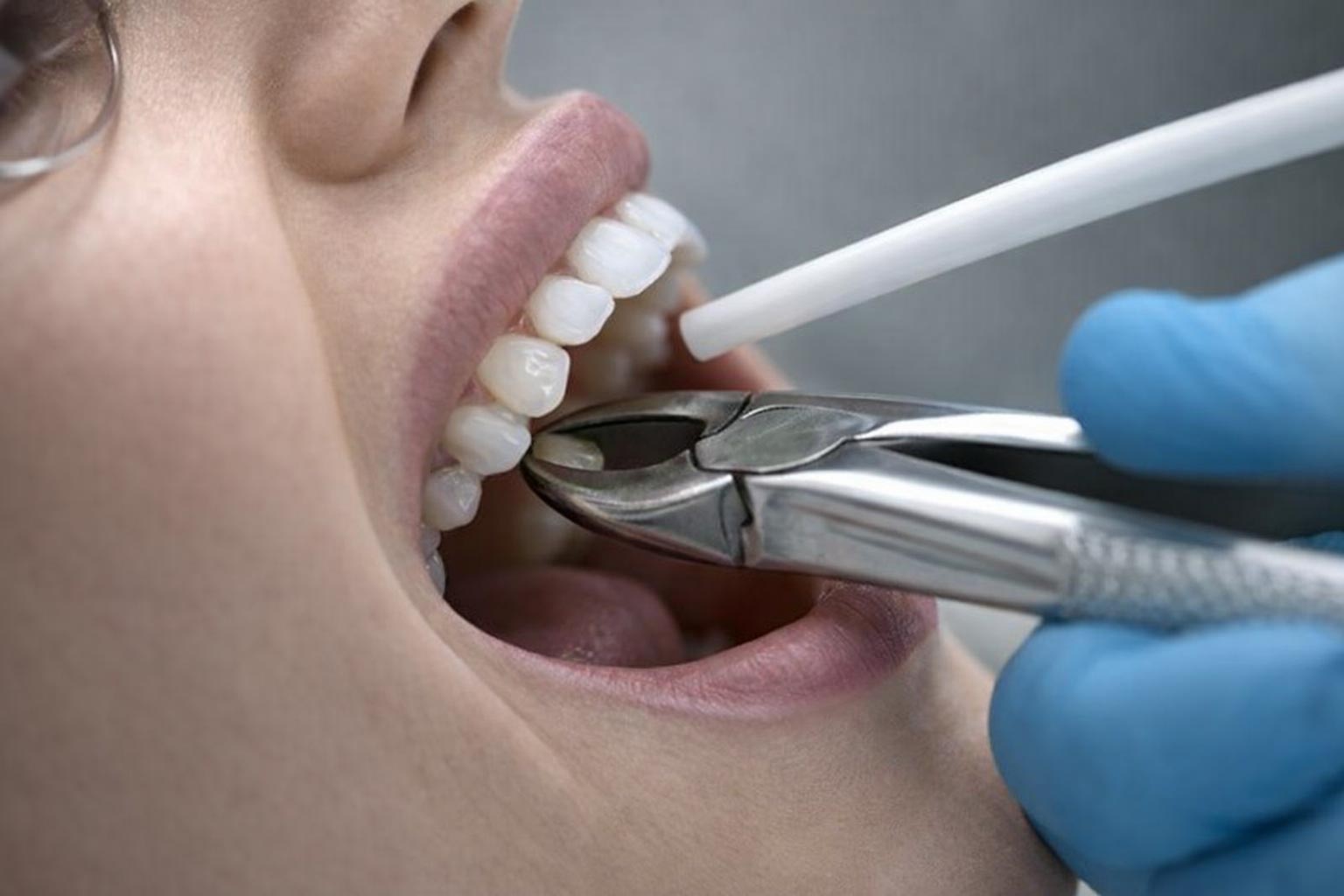
There are few words in dentistry that make patients more anxious than “tooth extraction.” While preserving your natural teeth is always the primary goal, there are situations where removing a tooth is the healthiest option. In many cases, extracting a severely damaged or infected tooth can relieve pain, prevent further complications, and create the foundation for restoring your smile.
At Dr. Bradley Lander Periodontics, every effort is made to save natural teeth whenever possible. However, when a tooth cannot be predictably restored, Dr. Bradley Lander provides gentle, comprehensive tooth extraction procedures while helping patients plan the best long-term replacement solution.
If you’re considering a Tooth Extraction Beverly Hills, understanding why extractions are sometimes necessary—and what happens afterward—can help ease your concerns and prepare you for treatment.
Is Tooth Extraction Always the Last Resort?
Yes.
Modern dentistry focuses on preserving natural teeth whenever possible through restorative and periodontal treatment.
Before recommending an extraction, Dr. Bradley Lander carefully evaluates whether the tooth can be successfully treated with procedures such as periodontal therapy, root canal treatment, or restorative dentistry.
However, when a tooth is beyond repair or threatens your overall oral health, extraction may be the most appropriate solution.
The goal is always to protect your long-term oral health while preventing future complications.
Common Reasons a Tooth May Need to Be Extracted
Several conditions may make tooth extraction the healthiest option.
Severe Gum Disease
One of the most common reasons adults require tooth extraction is advanced periodontal disease.
As gum disease progresses, the infection destroys the bone and tissues supporting the teeth.
Eventually, teeth may become:
- Loose
- Painful
- Difficult to chew with
- Unable to be saved
As a specialist in periodontics, Dr. Bradley Lander carefully evaluates whether periodontal treatment can preserve the tooth before recommending extraction.
Extensive Tooth Decay
When decay extends deep below the gumline or destroys too much of the tooth structure, restoration may no longer be possible.
If the remaining tooth cannot adequately support a crown or filling, extraction may be the best solution.
Cracked or Broken Teeth
Not every cracked tooth can be repaired.
If a fracture extends below the gumline or into the root, the tooth may no longer be predictable to restore.
In these situations, removing the tooth often prevents ongoing pain and infection.
Dental Infection
Sometimes infection reaches the tooth despite previous treatment.
While root canal therapy can often save infected teeth, severe infections may leave extraction as the safest option, particularly when the surrounding bone has been significantly affected.
Impacted Teeth
Wisdom teeth are the most common impacted teeth requiring removal.
They may:
- Fail to erupt properly
- Become trapped beneath the gums
- Damage neighbouring teeth
- Cause pain or infection
Removing impacted teeth can help prevent future complications.
Preparing for Orthodontic Treatment
Occasionally, a tooth may be removed to create sufficient space for orthodontic treatment.
This is typically recommended only after careful planning between your dental specialists.
Signs You May Need a Tooth Extraction
Although only a dental examination can determine whether extraction is necessary, certain symptoms should never be ignored.
These include:
- Severe tooth pain
- Swollen gums
- Loose teeth
- Persistent infection
- Difficulty chewing
- Broken teeth
- Gum abscesses
- Significant bone loss
Early evaluation often provides more treatment options than waiting until the condition worsens.
What Happens During a Tooth Extraction?
Many patients are surprised to discover that modern tooth extractions are far more comfortable than they expected.
Before treatment begins, Dr. Bradley Lander performs a thorough examination using advanced imaging to evaluate the tooth, surrounding bone, and nearby anatomical structures.
The procedure generally involves:
- Local anaesthetic to ensure comfort
- Gentle loosening of the tooth
- Careful removal while preserving surrounding bone
- Cleaning the extraction site
- Instructions for healing
Every effort is made to minimise discomfort while preserving as much healthy bone as possible.
This is particularly important when patients are considering future dental implants.
Does a Tooth Extraction Hurt?
This is one of the most common questions patients ask.
Thanks to modern anaesthesia and advanced techniques, patients should not experience pain during the procedure itself.
You may feel gentle pressure, but the area remains numb throughout treatment.
Following the extraction, mild soreness and swelling are normal and usually improve within a few days.
Most discomfort can be managed with prescribed or over-the-counter medication.
Recovery After a Tooth Extraction
Healing begins immediately after the tooth is removed.
Most patients recover quickly by following a few simple guidelines.
During the First 24 Hours
- Bite gently on the gauze provided
- Rest as much as possible
- Avoid smoking
- Avoid drinking through a straw
- Eat soft foods
- Apply ice packs if recommended
These steps help protect the blood clot that forms in the extraction site, which is essential for proper healing.
During the First Week
As healing continues:
- Swelling gradually decreases
- Soft foods become easier to eat
- Gentle brushing can resume around the area
- Normal activities gradually return
Dr. Bradley Lander provides personalised post-operative instructions to ensure the smoothest possible recovery.
Why Replacing a Missing Tooth Is Important
Some patients assume that once a painful tooth has been removed, treatment is complete.
In reality, replacing the missing tooth is often essential for protecting your long-term oral health.
Without replacement, nearby teeth may begin shifting into the empty space.
More importantly, the jawbone beneath the missing tooth begins shrinking because it no longer receives stimulation from the tooth root.
This bone loss can affect:
- Your bite
- Facial appearance
- Future treatment options
- The stability of neighbouring teeth
Dental Implants: The Gold Standard for Tooth Replacement
For many patients, Dental Implants Beverly Hills provide the most predictable and long-lasting solution following tooth extraction.
Dental implants replace both the missing tooth and its root, providing benefits that bridges and dentures cannot.
Advantages include:
- Natural appearance
- Excellent chewing ability
- Long-term durability
- Preservation of jawbone
- Protection of neighbouring teeth
- Improved confidence
Because implants integrate directly with the jawbone, they help prevent the bone loss that naturally follows tooth extraction.
Can Dental Implants Be Placed Immediately?
In some situations, yes.
Depending on the condition of the bone and surrounding tissues, Dr. Bradley Lander may recommend immediate implant placement at the time of extraction.
For other patients, allowing the area to heal—or performing bone grafting first—may provide the best long-term result.
Every treatment plan is customized to achieve the highest possible implant success.
What If I Don’t Have Enough Bone?
If bone loss has already occurred, don’t assume dental implants are no longer an option.
As a specialist in periodontics and implant dentistry, Dr. Bradley Lander frequently performs bone grafting procedures to rebuild lost bone before implant placement.
Bone grafting creates the stable foundation needed for successful long-term implants, allowing many patients who were previously told they were unsuitable candidates to restore their smiles.
Why Choose Dr. Bradley Lander for Tooth Extraction?
Choosing a specialist for tooth extraction provides peace of mind, particularly when preserving bone and planning future tooth replacement are priorities.
Dr. Bradley Lander combines extensive experience in periodontics, oral surgery, bone grafting, and dental implant treatment to deliver comprehensive care from start to finish. Rather than simply removing a tooth, he focuses on protecting the surrounding bone and tissues while developing a personalised treatment plan for restoring your smile.
Whether you require a straightforward extraction, treatment for advanced periodontal disease, or preparation for dental implants, every procedure is performed with careful attention to your comfort, long-term oral health, and aesthetic outcome.
Schedule a Consultation with Dr. Bradley Lander
Needing a tooth extraction doesn’t mean the end of a healthy, beautiful smile.
If you’re experiencing tooth pain, infection, advanced gum disease, or a damaged tooth that may require removal, Dr. Bradley Lander can provide a comprehensive evaluation and discuss all available treatment options.
Whether your goal is relieving discomfort, protecting your oral health, or replacing a missing tooth with Dental Implants Beverly Hills, you’ll receive personalized care designed to achieve the best possible long-term outcome.
Contact our Beverly Hills practice today to schedule your consultation with an experienced Periodontist Beverly Hills and learn how modern tooth extraction and tooth replacement solutions can restore your smile with confidence.