Introduction
Missing a tooth can affect much more than your appearance. It may change the way you chew, influence your speech, and make you feel self-conscious when smiling or speaking. Fortunately, modern dental implant treatment offers a reliable way to replace missing teeth while supporting long-term oral health and natural-looking results.
For patients considering a Cosmetic Dental Implant Beverly Hills procedure, understanding each stage of treatment can make the experience feel more manageable. From the initial consultation to the placement of the final restoration, dental implant treatment involves careful planning, precise surgical techniques, and adequate healing time.
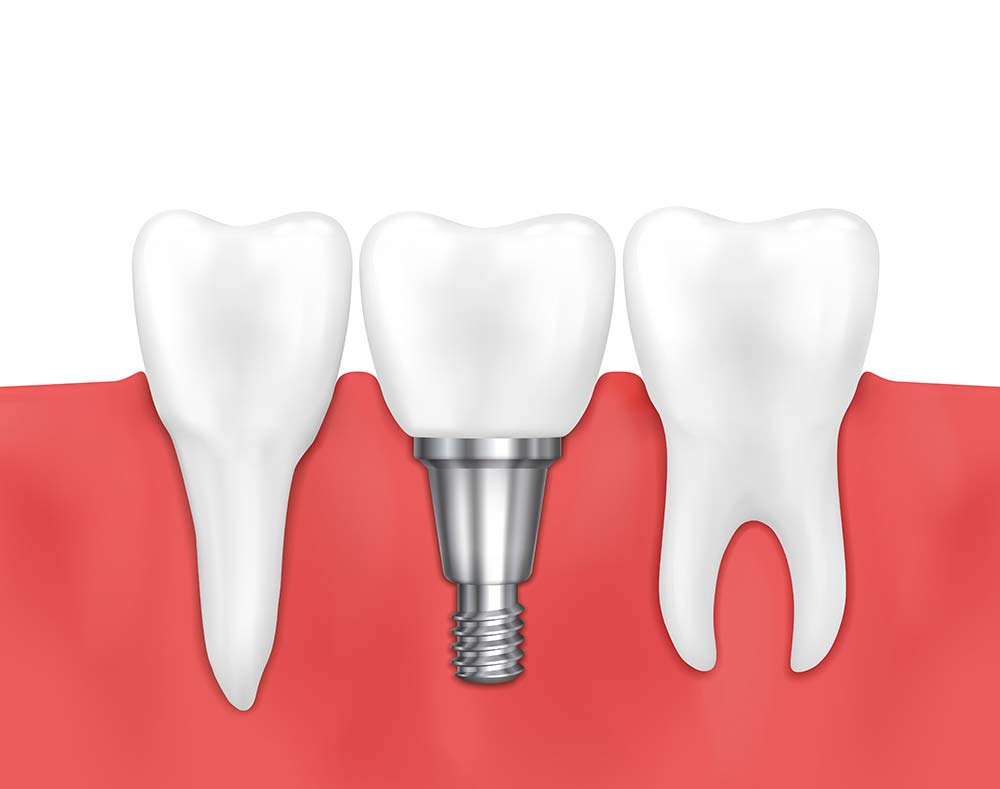
Unlike traditional dentures or dental bridges, dental implants replace the missing tooth root with a small biocompatible post, typically made from titanium. This post is positioned within the jawbone and serves as a foundation for a custom-designed crown, bridge, or other restoration.
The goal is to restore both function and appearance while maintaining the health of the surrounding bone and gum tissue.
Dr. Bradley Lander, a board-certified periodontist and dental implant surgeon in Beverly Hills, takes a comprehensive approach to implant treatment. His focus is on creating a stable biological foundation while carefully considering the final appearance of the restoration.
Below, we explain what patients can expect throughout the dental implant journey.
Initial Dental Implant Consultation
Every successful dental implant procedure begins with a thorough consultation. This appointment allows your dental specialist to assess your oral health, understand your concerns, and determine whether dental implants are an appropriate treatment option.
During your consultation, Dr. Lander evaluates the condition of your teeth, gums, and jawbone. He also reviews your medical history, including any existing health conditions or medications that could influence healing.
Advanced diagnostic technology may be used to assess the structures beneath the gumline. This can include digital imaging and three-dimensional cone beam computed tomography (CBCT), which provides detailed information about the jawbone and surrounding anatomical structures.
These images help determine:
- Whether sufficient jawbone is available to support an implant
- The ideal position and angle for implant placement
- The condition of the surrounding gum tissue
- The proximity of important anatomical structures
- Whether bone grafting or soft tissue treatment may be necessary
The consultation also provides an opportunity to discuss your aesthetic expectations.
For patients replacing visible front teeth, particular attention is given to the gumline, tooth proportions, and the relationship between the proposed restoration and neighboring teeth.
Patients searching for a cosmetic dentist Beverly Hills may benefit from understanding the different roles involved in implant treatment. A periodontist specialises in the supporting tissues and surgical placement of dental implants, while the final crown may be designed and fitted in collaboration with a restorative dentist.
By considering both surgical and restorative requirements from the beginning, the treatment team can develop a coordinated plan tailored to your needs.
Preparing for Dental Implant Surgery
Once your treatment plan has been established, the next stage involves preparing your mouth for implant placement.
Not every patient requires the same preparation. Some may be ready for surgery immediately, while others need additional treatment to create a healthier and more stable foundation.
For example, active gum disease may need to be addressed before implant surgery. Healthy gum tissue is essential because inflammation and infection can compromise the tissues surrounding an implant.
If the tooth requiring replacement is still present, extraction may be necessary. Depending on the condition of the tooth socket, available bone, and surrounding tissues, implant placement may sometimes take place during the same appointment.
In other situations, allowing the extraction site to heal first may provide a more predictable foundation.
Patients with insufficient jawbone may require bone grafting. This procedure helps rebuild or preserve bone volume so that the implant has adequate support.
Soft tissue grafting may also be recommended when the gum tissue is thin or insufficient to support a healthy, natural-looking gumline.
Before surgery, you will receive personalized instructions. These may include guidance about eating, drinking, medications, oral hygiene, and transportation arrangements if sedation is planned.
It is important to follow these instructions carefully and inform your dental team about any changes in your health.
A carefully prepared surgical site can improve the conditions for healing and contribute to the long-term stability of the implant.
Placing the Dental Implant
Implant placement is the surgical stage of the Cosmetic Dental Implant Beverly Hills procedure.
The surgery is typically performed under local anesthesia to numb the treatment area. Sedation may also be available for patients who experience dental anxiety or require more extensive treatment.
Dr. Lander uses the information gathered during the consultation to determine the appropriate implant position.
The procedure generally involves making a small opening in the gum tissue to access the underlying jawbone. A precisely prepared space is then created in the bone to accommodate the implant.
The implant is carefully positioned within this space, taking into account the surrounding anatomical structures, available bone, and planned final restoration.
In some cases, a healing component may be attached immediately. In others, the implant may be covered by gum tissue during the initial healing period.
The specific approach depends on the patient’s anatomy, implant stability, and overall treatment plan.
The dental implant steps may differ slightly when replacing a single tooth compared with multiple teeth or an entire dental arch.
For visible teeth, the position of the implant is especially important. Placement must support the final crown while also allowing for healthy gum contours and an aesthetically balanced result.
Patients can generally expect to feel pressure or vibration during surgery rather than sharp pain because the area is anesthetised. Some swelling, tenderness, or minor bleeding may occur afterward.
Your dental team will provide instructions for managing discomfort, protecting the surgical area, and supporting healing.
Although implant placement is a surgical procedure, many patients can resume light everyday activities relatively soon afterward. Recovery recommendations depend on the extent of treatment and whether additional procedures, such as grafting, were performed.
Healing and Osseointegration
One of the most important stages of the dental implant process takes place after surgery.
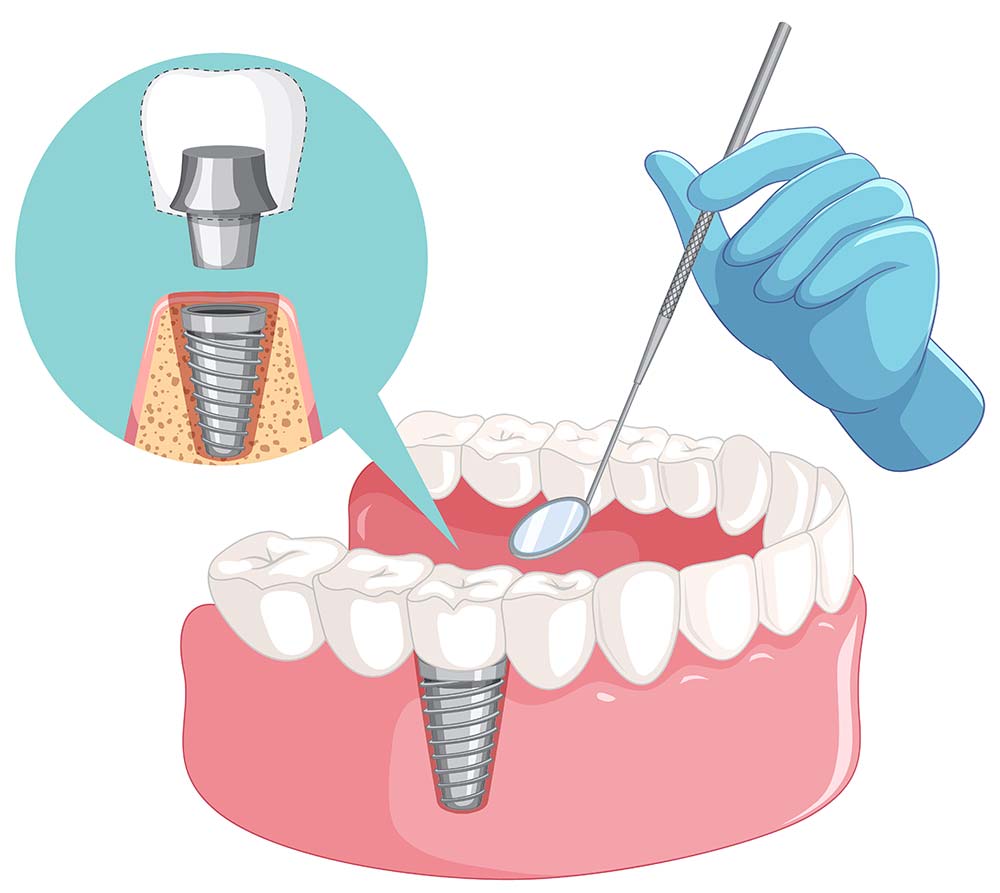
This stage is called osseointegration, which describes the biological process through which the surrounding jawbone grows into close contact with the implant surface.
As healing progresses, the implant becomes securely anchored within the bone, creating a stable foundation for the final restoration.
Osseointegration generally develops over several months, although the exact timeline varies.
Factors that may influence healing include:
- Jawbone quality and density
- The number and location of implants
- Whether bone grafting was required
- General health and medical conditions
- Smoking or tobacco use
- Oral hygiene and gum health
- The stability of the implant at placement
During the early healing period, patients may experience mild swelling, tenderness, or temporary sensitivity around the surgical site.
These symptoms often improve gradually. Your dental specialist may recommend softer foods for a period and advise you to avoid placing excessive pressure on the implant area.
Maintaining good oral hygiene is important, but the surgical site must be cleaned according to the instructions provided by your dental team.
Follow-up appointments allow Dr. Lander to assess tissue healing and monitor the implant’s progress.
In certain situations, a temporary restoration may be provided while healing continues. However, not every implant can safely support an immediate temporary tooth.
The decision depends on implant stability, bite forces, and other clinical factors.
Patients should understand that a longer healing period does not necessarily indicate a problem. Allowing sufficient time for the implant to integrate can be an important part of achieving a durable result.
While implant treatment has high reported success rates, complications can occur. These include infection, inadequate integration, damage to nearby structures, and inflammation around the implant.
Contact your dental team if you experience worsening pain, persistent bleeding, fever, increasing swelling, or unexpected movement around the implant site.
Attaching the Abutment and Crown
Once the implant has integrated sufficiently with the jawbone, the restorative stage can begin.
For patients seeking natural-looking dental implants, this stage is particularly important because it determines how the replacement tooth will appear and function alongside the surrounding teeth.
The abutment is a small connecting component that joins the implant to the final restoration.
Depending on the implant system and treatment approach, the abutment may be attached during the initial surgery or at a later appointment.
If the implant was covered by gum tissue during healing, a minor procedure may be required to expose it and attach a healing abutment.
The gum tissue is then allowed to develop around the component before the final restoration is completed.
Your restorative dentist may take digital scans or impressions to capture the precise position of the implant and the surrounding teeth.
This information is used to create a customised crown that complements your natural smile.
Several factors are considered when designing the restoration, including tooth shape, size, colour, surface texture, and the way the upper and lower teeth meet.
The crown is typically made from a durable dental ceramic or another suitable restorative material.
Once ready, it is attached to the abutment using a screw-retained or cement-retained technique, depending on the clinical requirements.
The completed restoration should allow comfortable biting and chewing while blending with the surrounding teeth as closely as possible.
Careful coordination between the implant surgeon and restorative dentist is essential throughout this stage.
Final Cosmetic Adjustments
The final stage of treatment focuses on refining the appearance, comfort, and function of the completed restoration.
Although the implant itself provides the structural foundation, the visible crown and surrounding gum tissue contribute significantly to the overall aesthetic result.
Your dental team will evaluate how the crown fits within your smile, checking its shape, colour, alignment, and relationship with neighboring teeth.
The bite is also assessed to ensure that the implant restoration does not experience excessive or uneven pressure.
Minor adjustments may be made to improve comfort and function.
For patients undergoing cosmetic smile restoration, the goal is to create a balanced result that complements their existing teeth rather than drawing attention to the replacement.
The appearance of the gumline is particularly important when an implant replaces a front tooth.
Healthy, well-supported gum tissue helps frame the restoration and can contribute to a more natural appearance.
However, cosmetic outcomes depend on individual anatomy, existing tissue conditions, and the complexity of treatment. Perfect symmetry or an exact match with natural teeth cannot always be guaranteed.
Once treatment is complete, long-term maintenance becomes essential.
Dental implants cannot develop tooth decay in the same way natural teeth can, but the surrounding gum and bone tissues remain vulnerable to inflammation and infection.
Daily brushing, appropriate cleaning around the implant, and regular professional examinations are important for maintaining implant health.
Your dental team may also recommend specialised cleaning aids or a night guard if you grind or clench your teeth.
With proper care and ongoing monitoring, dental implants can provide functional tooth replacement for many years, although crowns and other restorative components may eventually require maintenance or replacement.
Conclusion
Understanding what happens during dental implant treatment can help patients make informed decisions and feel more confident about the process.
From the first consultation to the final crown, every stage contributes to the stability, function, and appearance of the completed restoration.
A successful implant procedure involves more than replacing a missing tooth. It requires careful assessment of the jawbone, surrounding gum tissue, bite function, and long-term oral health.
For patients considering a Cosmetic Dental Implant Beverly Hills procedure, working with an experienced periodontal and implant specialist can help ensure that treatment is planned around both biological health and aesthetic goals.
Dr. Bradley Lander is a board-certified periodontist and dental implant surgeon who provides personalised implant treatment in Beverly Hills. His approach incorporates advanced diagnostic imaging, careful surgical planning, and coordination with restorative dentists when appropriate.
Whether you need to replace a single missing tooth or explore more extensive implant treatment, a professional consultation can help determine the most suitable approach for your individual needs.Schedule a consultation with Dr. Bradley Lander to discuss your dental implant options and learn what to expect from your personalized treatment plan.