
The jawbone plays an essential role in supporting the teeth, maintaining facial structure, and providing a stable foundation for dental implants. However, bone in the jaw is not static. Like other bone in the body, it continually changes in response to health, disease, and the forces placed upon it.
When a tooth is lost, periodontal disease develops, or infection damages the tissues surrounding a tooth, the jawbone can gradually shrink or deteriorate. In some cases, this bone loss can make dental implant placement more challenging.
The good news is that lost jawbone can often be rebuilt. For patients considering bone grafting in Beverly Hills, modern periodontal techniques can restore or augment bone in areas where it has been lost, helping create a stronger foundation for future dental treatment.
Why Is Jawbone So Important?
The roots of natural teeth are surrounded and supported by the jawbone.
Every time you bite and chew, forces are transmitted through the teeth into the surrounding bone. This stimulation helps maintain the bone in that area.
The jawbone also provides structural support for the gums and contributes to the contours of the lower face.
When teeth or their supporting tissues are lost, the bone can begin to change.
What Causes Bone Loss in the Jaw?
Jawbone loss can occur for several different reasons. Identifying the cause is important because treatment should address both the missing bone and, whenever possible, the condition that caused the bone loss.
1. Tooth Loss
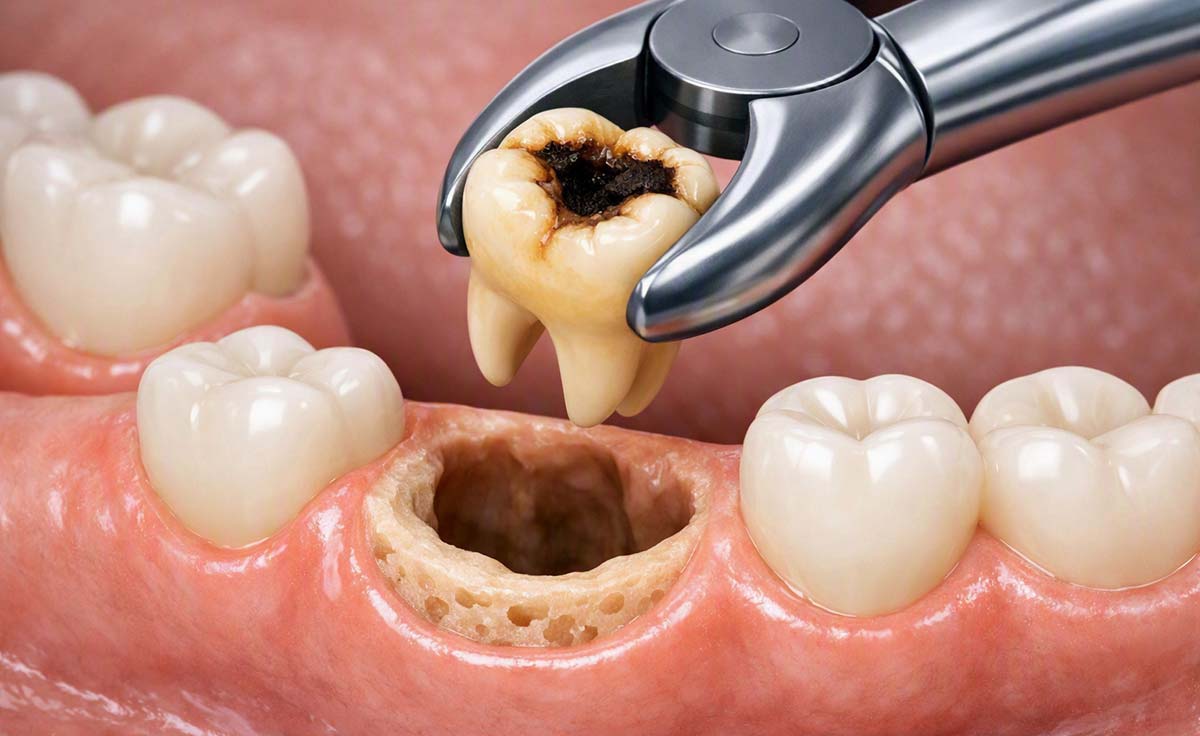
One of the most common causes of jawbone loss is simply losing a tooth.
After a tooth is extracted or lost, the bone that previously surrounded its root no longer receives the same stimulation from chewing.
The body gradually remodels this bone, and the ridge where the tooth once stood can become narrower and shorter.
The greatest changes often occur relatively soon after tooth loss, although remodeling can continue over time.
This is one reason planning for a future dental implant before or at the time of tooth extraction can be beneficial.
2. Periodontal Disease
Periodontal disease is an infection and inflammatory condition affecting the gums and supporting structures around the teeth.
As periodontal disease progresses, inflammation can destroy the bone that anchors the teeth.
Unlike the bone loss that occurs after a tooth has already been removed, periodontal bone loss occurs while the tooth is still present.
Without treatment, teeth may eventually become loose and can ultimately be lost.
Controlling periodontal disease is therefore essential before attempting to rebuild damaged bone.
3. Dental Infections
An infection around the root of a tooth can damage the surrounding jawbone.
If an infection persists for a long period, the amount of bone destruction can become significant.
After the source of the infection has been treated or the affected tooth removed, bone grafting may sometimes be recommended to rebuild the damaged area.
4. Trauma
An accident or injury involving the teeth and jaws can result in loss of bone.
A tooth that has been fractured, displaced or knocked out may also damage the surrounding socket.
The amount of reconstruction required depends on the extent and location of the injury.
5. Long-Term Denture Use
Traditional removable dentures rest on the gums but do not provide the same stimulation to the jawbone as natural tooth roots.
Over many years, the bone beneath a denture may gradually resorb.
As the ridge becomes smaller, dentures may become less stable and require adjustment or replacement.
Significant bone loss can also make future implant treatment more complicated.
6. Developmental or Anatomical Factors
Some patients naturally have less bone in certain areas of the jaw.
The position of the teeth, shape of the jaw, previous dental development, or naturally thin bone may mean that there is insufficient bone for ideal implant placement even if significant bone loss has not occurred.
How Quickly Does Bone Loss Occur After a Tooth Is Removed?
Bone remodeling begins soon after an extraction.
The extraction socket initially fills with a blood clot and gradually heals with new bone. At the same time, however, the outer dimensions of the ridge can shrink.
This means that although the extraction site itself heals, the overall width and height of the jawbone in that area may decrease.
The amount of change varies considerably between patients and between different areas of the mouth.
For someone planning a future implant, it is therefore useful to discuss this before the tooth is extracted, rather than waiting until months or years later.
Can Lost Jawbone Grow Back on Its Own?
Generally, significant jawbone that has been lost does not simply regenerate to its original dimensions without treatment.
The body can produce new bone during normal healing, but once the ridge has substantially resorbed or bone has been destroyed by disease, additional treatment may be needed to rebuild the area.
This is where bone grafting can play an important role.
What Is Bone Grafting?
Bone grafting is a procedure used to encourage the development of new bone or increase bone volume in an area where it is deficient.
Grafting material is placed in or around the area requiring reconstruction. The graft provides a framework that supports the body’s natural bone-healing processes.
Over time, the area heals and new bone can form.
The goal is to create sufficient healthy bone to support the teeth, gum tissues, or a future dental implant.
Where Does Bone Graft Material Come From?
Different types of grafting materials can be used depending on the clinical situation.
Bone graft material may come from:
- The patient’s own bone
- Human donor bone that has been carefully processed
- Animal-derived grafting material
- Synthetic bone substitutes
Each material has different characteristics and applications.
The appropriate choice depends on factors such as the size and location of the defect, the type of procedure being performed, and the patient’s individual treatment needs.
When Is Bone Grafting Necessary?
Bone grafting may be recommended in several situations.
After Tooth Extraction
A procedure known as socket preservation may be performed when a tooth is removed.
Bone grafting material is placed into the extraction socket to help preserve the dimensions of the ridge as it heals.
Socket preservation cannot prevent every natural change following extraction, but it may reduce bone loss and create a better foundation for future implant placement.
Before a Dental Implant
If a tooth has been missing for some time, there may no longer be enough bone to place an implant in the ideal position.
Bone grafting can sometimes rebuild the ridge before implant placement.
The graft is allowed to heal, after which the site can be reassessed for implant treatment.
At the Same Time as Implant Placement
In some cases, an implant can be placed and bone grafting performed during the same procedure.
This is often possible when there is enough existing bone to provide initial implant stability but additional bone is needed around part of the implant.
Following Periodontal Bone Loss
Certain types of bone defects caused by periodontal disease may be suitable for regenerative periodontal procedures.
The objective in these cases is to regenerate some of the supporting structures that have been damaged by disease.
Not every periodontal bone defect can be regenerated, so careful assessment is necessary.
What Is Ridge Augmentation?
When substantial bone has been lost after tooth extraction, the jaw ridge can become too narrow or uneven for ideal implant placement.
A ridge augmentation procedure is used to rebuild the shape and volume of the bone.
Depending on the extent of the defect, different grafting techniques may be required.
After healing, the reconstructed ridge may provide sufficient bone for an implant to be positioned more appropriately.
What Is a Sinus Lift?
Bone loss in the upper back jaw presents a particular challenge because the maxillary sinus sits above the roots of the upper back teeth.
After these teeth are lost, there may be insufficient vertical bone between the mouth and sinus for implant placement.
A sinus augmentation, commonly known as a sinus lift, can increase the amount of bone available in this area.
Bone grafting material is placed beneath the sinus membrane, allowing new bone to develop and potentially creating sufficient support for dental implants.
How Does a Periodontist Know How Much Bone You Have?
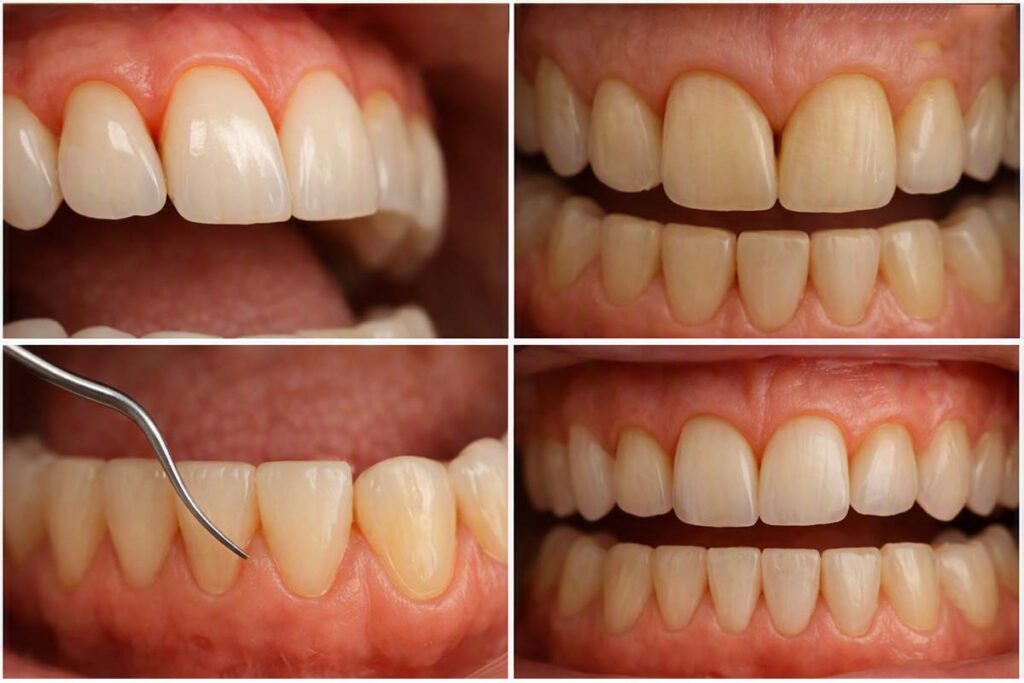
A clinical examination provides important information, but three-dimensional imaging may be needed when planning implant or grafting procedures.
A CBCT scan can allow the periodontist to evaluate the height, width, and shape of the available bone and its relationship to important anatomical structures.
This information helps determine:
- Whether bone grafting is necessary
- How much bone needs to be reconstructed
- Which grafting technique may be appropriate
- Whether an implant can be placed at the same time
- Where an implant can be positioned safely and predictably
How Long Does Bone Grafting Take to Heal?
Healing time varies depending on the type and extent of grafting performed.
A small graft performed around an implant may have a different healing period from a larger ridge augmentation.
In many cases, the graft needs several months to mature before the area is ready for the next stage of treatment.
Although patients naturally want to complete treatment as quickly as possible, allowing adequate time for bone formation is important.
Is Bone Grafting Painful?
Bone grafting is generally performed with local anesthesia, and sedation may be considered for some procedures or patients.
After treatment, some swelling, tenderness, and bruising may occur. The amount of discomfort depends partly on the extent of the grafting procedure.
Patients receive specific instructions for caring for the area during healing.
Protecting the graft during the early stages of healing is important for achieving the desired result.
Does Everyone Who Gets a Dental Implant Need Bone Grafting?
No.
Many patients have sufficient healthy bone to receive a dental implant without grafting.
Others may need only a relatively small amount of grafting around the implant, while patients with more substantial bone loss may require a separate reconstructive procedure first.
The need for grafting can only be determined after evaluating the individual implant site.
Can Bone Grafting Make Dental Implants Possible After Years of Tooth Loss?
Often, yes.
Patients sometimes assume that because a tooth has been missing for many years, they are no longer candidates for dental implants.
Although long-term tooth loss can result in substantial bone resorption, modern grafting techniques may make implant treatment possible in many cases that initially appear to have insufficient bone.
However, the amount of reconstruction that can predictably be achieved varies from patient to patient.
A detailed examination and appropriate imaging are needed before determining what is possible.
Can Jawbone Loss Be Prevented?
Not all bone loss can be prevented, but there are ways to reduce the risk.
These include:
- Treating gum disease before significant damage occurs
- Maintaining regular periodontal and dental care
- Practicing good oral hygiene
- Seeking prompt treatment for dental infections
- Planning for tooth replacement before an extraction when possible
- Considering socket preservation when appropriate
- Avoiding smoking, which can negatively affect periodontal and bone health
Early intervention is particularly valuable because preserving existing bone is usually preferable to rebuilding it later.
Bone Grafting in Beverly Hills
Successful bone grafting begins with understanding why the bone was lost in the first place.
Simply adding grafting material without addressing active periodontal disease, infection, or other contributing factors does not provide a complete solution.
Dr. Bradley Lander evaluates the health and architecture of the gums and supporting bone when planning periodontal and implant treatment.
For patients considering bone grafting in Beverly Hills, treatment may range from socket preservation after an extraction to more advanced ridge reconstruction or grafting in preparation for dental implants.
The appropriate approach depends on the amount and location of bone loss and the patient’s long-term treatment goals.
Final Thoughts
Jawbone can be lost for many reasons, including missing teeth, periodontal disease, infection, trauma, and long-term changes following tooth extraction.
Although significant bone loss does not usually reverse on its own, it can often be rebuilt using modern bone grafting and regenerative techniques.
The earlier bone loss is identified, the more options may be available for preserving existing tissue and planning future treatment.
If you have been told that you do not have enough bone for a dental implant, or you are concerned about bone loss around your teeth, schedule a consultation with Dr. Bradley Lander to discuss whether bone grafting in Beverly Hills may be appropriate for you.