
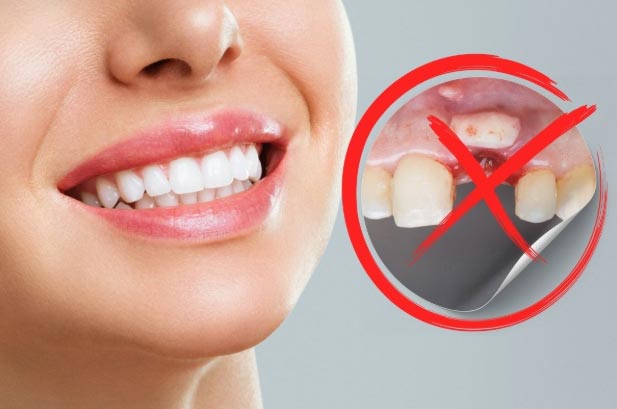
Receding gums are a common dental concern, but they are not simply a cosmetic issue. When the gum tissue pulls away from the teeth, more of the tooth surface — and sometimes the sensitive root — becomes exposed. This can lead to tooth sensitivity, an uneven gumline, an increased risk of decay, and, in more advanced cases, problems with the supporting structures around the teeth.
For patients considering gum grafting in Beverly Hills, the most important question is often whether a gum graft is necessary or whether the recession can simply be monitored.
The answer depends on the cause and extent of the recession, the health of the surrounding gum tissue, and whether the condition is continuing to progress. A periodontist can assess these factors and determine whether gum grafting offers the best way to protect the tooth and restore a healthier gumline.
What Are Receding Gums?
Gum recession occurs when the gum tissue surrounding a tooth moves away from its normal position, exposing more of the tooth or its root.
Because recession often develops gradually, many people do not notice it immediately. One of the first signs may be that a tooth appears longer than the surrounding teeth.
Other symptoms can include:
- Sensitivity to hot, cold, or sweet foods
- Visible tooth roots
- An uneven or changing gumline
- Tenderness around the affected tooth
- Increased spaces between teeth near the gumline
- Teeth that appear longer than they once did
In some patients, recession affects only one or two teeth. In others, it may occur in several areas of the mouth.
What Causes Gum Recession?
There is no single cause of receding gums. Understanding why the recession has developed is an important part of planning treatment.
Gum Disease
Periodontal disease can damage the tissues and bone that support the teeth. As these structures are lost, the gumline may begin to recede.
Patients with signs of gum disease in Beverly Hills should have the underlying periodontal condition treated before or in conjunction with addressing the recession.
Aggressive Tooth Brushing
Brushing harder does not necessarily clean teeth more effectively. Over time, aggressive brushing or using a toothbrush with overly firm bristles can traumatize the gum tissue and contribute to recession.
Naturally Thin Gum Tissue
Some people naturally have thinner gum tissue than others. Thin gums can be more vulnerable to recession, particularly around prominent teeth or teeth positioned toward the outside of the jawbone.
Tooth Position
Teeth that are crowded, rotated, or positioned outside the ideal alignment of the dental arch may have less gum and bone covering their roots.
Orthodontic Movement
Orthodontic treatment can sometimes contribute to recession when teeth are moved into areas where the surrounding bone or gum tissue is thin. This does not mean orthodontic treatment necessarily causes gum recession, but periodontal evaluation may be beneficial for patients who are at increased risk.
Teeth Grinding or Clenching
Excessive forces on the teeth may contribute to stress on the supporting tissues and can be one of several factors associated with recession.
Does Gum Recession Grow Back?
Unfortunately, gum tissue that has receded does not generally grow back to its original position on its own.
In very mild and stable cases, treatment may focus on preventing the recession from becoming worse. This can include improving brushing technique, controlling inflammation, treating periodontal disease, or addressing other contributing factors.
When the recession is more significant, progressing, causing sensitivity, or compromising the health or appearance of the tooth, gum grafting may be recommended.
What Is Gum Grafting?
Gum grafting is a periodontal procedure used to add tissue to an area where the gums have become too thin or have receded.
The graft reinforces the gum tissue and, depending on the individual situation, may also cover some or all of the exposed tooth root.
Different gum grafting techniques are available. The appropriate technique depends on the location and extent of the recession, the condition of the surrounding tissue, and the desired outcome.
A periodontist will carefully evaluate these factors before recommending a specific approach.
When Is Gum Grafting the Best Treatment?
Not every case of recession requires surgery. However, there are several situations in which gum grafting in Beverly Hills may provide significant benefits.
1. The Tooth Root Is Exposed
Unlike the crown of the tooth, the root is not protected by thick enamel. Exposed roots can therefore be more vulnerable to sensitivity, wear, and decay.
Adding gum tissue can help provide additional protection to the root surface.
2. The Recession Is Getting Worse
Progressive recession is an important reason to seek periodontal evaluation.
Even if the recession is not currently causing discomfort, continued loss of gum tissue can make the problem more difficult to manage later.
Early treatment may help preserve healthy tissue and protect the tooth over the long term.
3. You Have Thin or Fragile Gum Tissue
Some patients have very little firm, protective gum tissue around certain teeth.
A gum graft can increase the thickness of the tissue, creating a stronger and more stable gumline that may be better able to withstand normal brushing and everyday forces.
4. Tooth Sensitivity Is Becoming a Problem
Exposed roots can make teeth particularly sensitive to cold drinks, hot foods, sweets, or even brushing.
When sensitivity is caused by significant root exposure, gum grafting may help by covering and protecting the affected area.
5. Recession Is Affecting Your Smile
Gum recession can cause one or more teeth to appear unusually long and can create an uneven gumline.
For patients concerned about the appearance of their smile, carefully planned gum grafting may improve gum symmetry while also providing important health benefits.
6. Gum Support Is Needed Before or After Orthodontic Treatment
In certain patients with thin gum tissue, a periodontist and orthodontist may work together to determine whether gum grafting would provide additional tissue support.
The timing of treatment depends on the individual case and planned tooth movement.
What Happens During a Gum Grafting Procedure?
The exact procedure varies according to the grafting technique being used.
In many cases, a small amount of tissue is obtained from another area of the patient’s mouth and carefully positioned over or around the area of recession. Other grafting materials may be appropriate in selected cases.
The tissue is then secured in place so that it can heal and integrate with the surrounding gums.
The goal is not simply to cover an exposed area. Precise planning is important to create healthy, stable tissue and, particularly in visible areas of the smile, a natural-looking result.
Is Gum Grafting Painful?
Gum grafting is performed with local anesthesia so that patients remain comfortable during treatment.
Some tenderness, swelling, or sensitivity can be expected during the initial healing period. The degree of discomfort depends partly on the type and extent of grafting performed.
Following the periodontist’s post-treatment instructions carefully can help support comfortable and predictable healing.
How Long Does a Gum Graft Take to Heal?
Initial healing generally occurs over the first few weeks, although complete maturation of the grafted tissue takes longer.
During early healing, patients may be advised to avoid brushing directly over the surgical area and to modify their diet temporarily. Specific instructions will depend on the procedure performed.
It is particularly important not to disturb the graft while the new tissue is becoming established.
Can Gum Recession Return After Grafting?
Gum grafting can provide long-lasting results, but protecting the gums after treatment is important.
Patients should address the factors that contributed to the original recession wherever possible. This may include:
- Using a gentle brushing technique
- Maintaining excellent oral hygiene
- Treating and controlling periodontal disease
- Attending regular periodontal maintenance appointments
- Managing grinding or clenching when appropriate
- Monitoring areas where the gum tissue is naturally thin
Long-term periodontal care helps protect both the graft and the health of the surrounding teeth.
When Should You See a Periodontist About Receding Gums?
It is worth having recession evaluated even if it is not painful.
A periodontist can measure the amount of recession, evaluate the thickness of the gum tissue, examine the supporting bone, and determine whether the condition appears stable or is likely to progress.
Importantly, seeing a periodontist does not automatically mean you will need gum grafting. Some cases can be monitored or managed without surgery.
The purpose of the evaluation is to understand why the gums are receding and choose the most appropriate treatment for the long-term health of the teeth.
Gum Grafting in Beverly Hills
Successful treatment of gum recession requires more than simply covering an exposed root. The cause of the recession, condition of the surrounding tissues, tooth position, gum thickness, and overall periodontal health all need to be considered.
Dr. Bradley Lander provides specialized periodontal care with an emphasis on careful diagnosis, precision, and personalized treatment planning.
For patients considering gum grafting in Beverly Hills, a periodontal evaluation can determine whether grafting is necessary and which approach is most appropriate for achieving a healthy, stable and natural-looking gumline.
Final Thoughts
Receding gums should not be ignored simply because they are not painful. Once gum tissue has been lost, it generally does not grow back naturally, and continuing recession can leave the roots of the teeth increasingly exposed.
Gum grafting can be an effective treatment when recession is progressing, the gum tissue is thin, tooth roots are exposed, sensitivity is significant, or the appearance of the gumline has been affected.
Early evaluation allows problems to be identified before they become more advanced and gives patients more options for preserving their natural teeth and gums.
If you are concerned about receding gums or would like to learn whether gum grafting in Beverly Hills is appropriate for you, schedule a consultation with Dr. Bradley Lander for a personalized periodontal evaluation.