
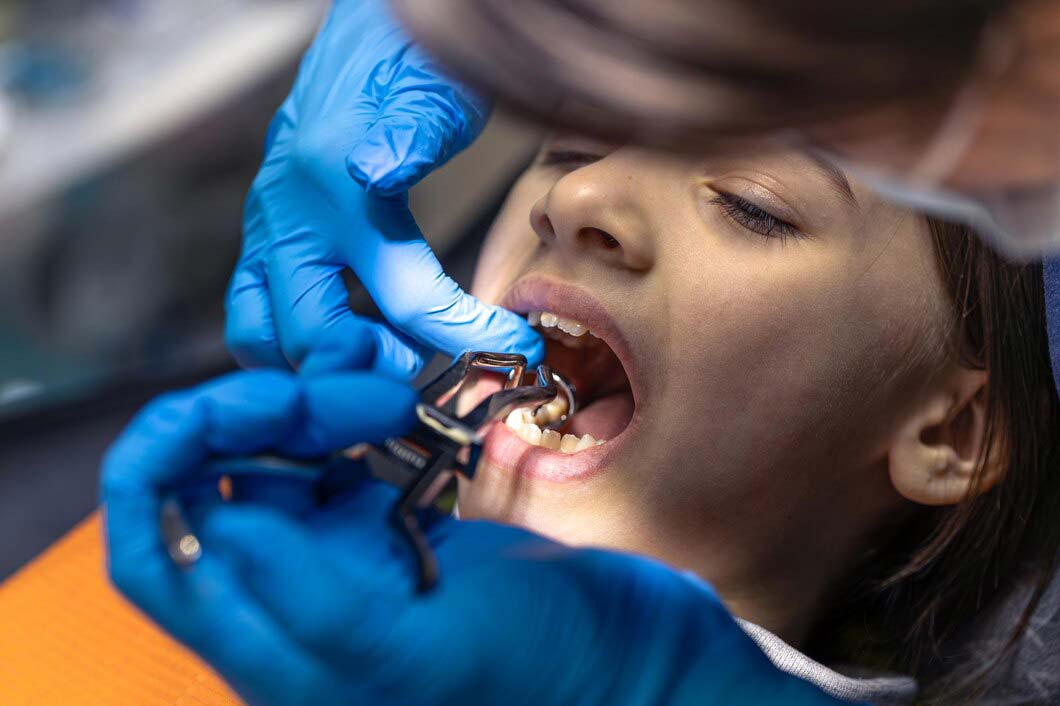
When a tooth is removed, most people understandably focus on the tooth itself.
But an important biological change begins in the area that once supported it.
The jawbone surrounding a tooth exists partly because it receives stimulation and support from that tooth. After extraction, the body begins naturally remodelling the socket and surrounding bone.
For patients considering a future dental implant in Beverly Hills, understanding these changes is important because the amount of bone available can influence future treatment.
What Happens to the Socket After a Tooth Is Removed?
A tooth sits within a socket in the jawbone.
After extraction, a blood clot forms and the healing process begins.
Over time, new tissue and bone develop within the extraction site.
However, the jaw does not necessarily maintain exactly the same width and contour it had while the tooth was present.
Some remodelling is a normal part of healing.
When Does Bone Loss Start?
Changes begin as part of the healing process following extraction rather than suddenly occurring years later.
The amount of change varies considerably between patients and extraction sites.
Factors that can influence the final bone volume include:
- The condition of the tooth before extraction
- Existing periodontal disease
- Infection
- The thickness of the surrounding bone
- Trauma during extraction
- The position of the tooth
- Individual healing characteristics
This means two patients having apparently similar teeth removed may heal differently.
Why Does Preserving Bone Matter?
If you intend to replace the tooth with a dental implant, adequate bone is needed to support the implant.
Loss of width or height in the ridge can sometimes make future implant placement more complicated.
Bone also supports the overlying gum tissue.
Changes in bone architecture can therefore affect the visible contours of the gumline as well as implant placement.
What Is Socket Preservation?
Socket preservation is a regenerative procedure that may be performed at the time a tooth is extracted.
Grafting material is placed into the extraction site to support healing and help maintain the architecture of the ridge.
It does not mean that absolutely no dimensional change will occur.
Rather, the objective is to limit collapse of the extraction site and preserve a better foundation for future treatment.
Dr. Lander’s approach to tooth extraction specifically emphasises protecting the surrounding bone and soft tissue and considering socket preservation when appropriate.
Does Every Extraction Need a Bone Graft?
No.
The appropriate treatment depends on what is planned for the site and the existing anatomy.
If a tooth is being removed and no implant or other treatment is planned, the considerations may be different.
If a dental implant is anticipated, preserving bone may become considerably more important.
The decision should therefore ideally be made before the extraction rather than several months afterwards.
What If Bone Has Already Been Lost?
Bone loss does not automatically prevent dental implant treatment.
Modern regenerative techniques can often rebuild deficient areas of the jaw.
Dr. Lander provides hard and soft tissue reconstruction for patients with bone loss following extraction, periodontal disease, trauma and other causes.
The extent of reconstruction required depends on how much bone remains and where the implant needs to be positioned.
Can an Implant Prevent Bone Loss?
A dental implant replaces the root portion of a missing tooth and transfers functional forces into the surrounding bone.
However, implant placement does not mean that the tissues around it will never change.
Long-term implant health depends on appropriate positioning, healthy bone and gum tissue, good oral hygiene and ongoing professional care.
Plan Before the Tooth Is Removed
If you have been told that a tooth cannot be saved and think you may want a dental implant, it is worth discussing your replacement options before extraction.
This allows the extraction itself to become part of the overall treatment plan.
Dr. Lander describes tooth removal as the beginning of what comes next rather than simply the end of treatment, with preservation of the supporting structures helping create a better foundation for future care.
For patients considering tooth extraction or bone grafting in Beverly Hills, early planning can help preserve treatment options and potentially reduce the need for more extensive reconstruction later.