Introduction
A beautiful smile is not only about having straight, white teeth. The shape, position, and symmetry of your gums also play an important role in creating an attractive, balanced smile. When excess gum tissue covers too much of the teeth, they can appear shorter or smaller than they actually are, often contributing to what is commonly called a gummy smile.
A gum lift, also known as gum contouring or gum reshaping, is a cosmetic periodontal procedure that removes or repositions excess gum tissue to improve the appearance of the gumline. The goal is to reveal more of the natural tooth structure while maintaining healthy, proportionate gums.
For patients considering a Gum Lift Beverly Hills, understanding what the procedure can realistically achieve is an important first step. Dr. Bradley Lander, a periodontist Beverly Hills, evaluates each patient’s individual gum anatomy, tooth proportions, and periodontal health to determine the most appropriate treatment approach.
Gum Lift Before and After: Expected Results
One of the most noticeable improvements in gum lift before and after results is the relationship between the visible teeth and the surrounding gum tissue.
Before treatment, patients may have teeth that appear unusually short, an uneven gumline, or excessive gum tissue visible when smiling. Following treatment, the teeth may appear longer and more proportionate, creating a more balanced smile.
Common aesthetic improvements include:
- A smoother, more symmetrical gumline.
- Greater visibility of the natural tooth surfaces.
- Improved proportions between the teeth and gums.
- Reduced appearance of a gummy smile.
- A more balanced and harmonious smile.
It is important to understand that a gum lift does not physically lengthen the teeth. Instead, it exposes portions of the natural tooth crowns that were previously concealed beneath gum tissue.
The extent of improvement depends on the patient’s anatomy and the underlying cause of excessive gum display. Some patients achieve their desired results through gum contouring alone, while others may require additional periodontal procedures.
Before and after photographs can provide useful examples of potential improvements, but individual results will vary.
How Gum Contouring Changes Your Smile
The gums provide a natural frame around the teeth. Even small differences in gum height can influence how symmetrical and proportionate a smile appears.
For example, when the gumline above one front tooth sits lower than the gumline above the neighbouring tooth, the teeth may appear uneven despite being similar in size.
Gum contouring addresses these differences by carefully reshaping the tissue around the teeth. The objective is to establish a more consistent gumline that complements the patient’s natural tooth shape and facial features.
The upper front teeth are particularly important because they are highly visible when smiling. Improving the gum contours around these teeth can create a noticeable aesthetic change without altering the actual tooth structure.
Patients researching Gummy Smile Treatment Beverly Hills should understand that not every gummy smile has the same cause. Excess gum tissue is only one possibility. Lip movement, jaw position, and tooth eruption patterns can also influence how much gum tissue is visible.
In suitable cases, gum contouring may be performed using conventional periodontal instruments or laser technology. Patients interested in Laser Gum Contouring Beverly Hills should discuss the available techniques with their periodontist, as the most appropriate method depends on the clinical findings and the extent of treatment required.
Factors That Influence the Final Result
The outcome of a gum lift depends on several anatomical and clinical factors. Understanding these considerations helps patients develop realistic expectations before undergoing treatment.
Natural tooth shape and size
Some individuals have naturally shorter teeth, while others have normal-sized teeth that are partially covered by excess gum tissue. The amount of visible improvement depends on how much natural tooth structure is available beneath the gums.
Existing gumline position
The height and contour of the gumline influence how much reshaping may be required. Minor irregularities may need only conservative adjustments, while more extensive gum coverage may require a comprehensive treatment plan.
Underlying bone structure
The position of the bone supporting the teeth is an essential consideration. If the bone lies close to the proposed new gumline, removing gum tissue alone may not produce a stable result. Additional bone reshaping may be necessary.
Lip movement and facial anatomy
Some patients display excessive gum tissue because their upper lip moves higher than average when smiling. Others may have skeletal or dental characteristics that contribute to a gummy smile. In these cases, gum contouring alone may not fully address the concern.
Periodontal health
Healthy gums are essential for predictable healing and long-term results. Patients with gum inflammation or periodontal disease may require treatment before cosmetic reshaping can be considered.
A comprehensive periodontal evaluation helps determine whether a Gum Lift Beverly Hills is appropriate and what degree of aesthetic improvement can reasonably be expected.
How Much Tooth Structure Can Be Revealed?
One of the most common questions patients ask is how much longer their teeth will appear after gum contouring.
The answer depends on the amount of natural tooth structure hidden beneath the gum tissue and the position of the supporting bone.
In some patients, a condition known as altered passive eruption prevents the gums from settling into their expected position after the permanent teeth emerge. As a result, part of the natural tooth crown remains covered, making the teeth appear shorter than they are.
Careful gum reshaping may expose this concealed enamel, creating the appearance of longer, more proportionate teeth.
However, there are biological limits to how much tissue can safely be removed. The gums must maintain an appropriate relationship with the underlying bone to protect the teeth and support periodontal health.
Removing excessive tissue may increase the risk of exposed root surfaces, tooth sensitivity, or an unnatural gumline.
When the underlying bone prevents the gum tissue from being repositioned appropriately, a crown lengthening procedure may be recommended. This can involve reshaping both gum tissue and supporting bone to establish a stable contour.
Dr. Lander evaluates these factors before treatment to determine how much tooth structure can safely be revealed while preserving the health and appearance of the surrounding tissues.
Why Gum Symmetry Matters
Gum symmetry plays an important role in creating a balanced, aesthetically pleasing smile.
The gum margins around the upper front teeth should generally complement one another, particularly around the two central incisors. When one gum margin sits noticeably higher or lower than the other, the teeth may appear different in length even when their actual dimensions are similar.
Gum contouring can help correct these discrepancies by refining the position and shape of the gumline.
However, achieving an attractive result does not necessarily mean creating identical gum contours around every tooth. Natural smiles contain subtle variations, and the ideal gumline should reflect each patient’s tooth proportions and facial characteristics.
The goal is to create visual harmony rather than an artificially uniform appearance.
For patients considering veneers, crowns, or other cosmetic dental procedures, correcting uneven gum margins beforehand may help establish a more balanced foundation for the final restorations.
Careful planning is particularly important when multiple teeth require treatment, as even small changes in gum height can affect the overall appearance of the smile.
Healing Changes and Final Appearance
Although changes to the gumline may be visible immediately after treatment, the final appearance develops gradually as the tissues heal.
During the first few days, patients may experience mild swelling, tenderness, or sensitivity. The treated gums may also appear slightly red or uneven while the initial healing process takes place.
As inflammation decreases, the gum tissue begins to settle into its new contour.
Following straightforward soft-tissue gum contouring, initial healing often occurs within approximately one to two weeks. However, the gumline may continue to change over the following weeks as the tissue matures.
More extensive crown lengthening procedures, particularly those involving bone reshaping, may require several months before the gum margins become sufficiently stable for final cosmetic restorations.
The healing process varies depending on the extent of treatment, individual tissue response, and periodontal health.
Patients should follow their periodontist’s post-treatment instructions, which may include recommendations regarding oral hygiene, dietary adjustments, and temporary restrictions on certain activities.
Good oral hygiene and appropriate follow-up care are important for supporting healthy healing and maintaining the results.
When evaluating gum lift before and after photographs, patients should also consider when the images were taken. Photographs captured immediately after treatment may not accurately represent the final, fully healed appearance.
Questions to Ask Before Treatment
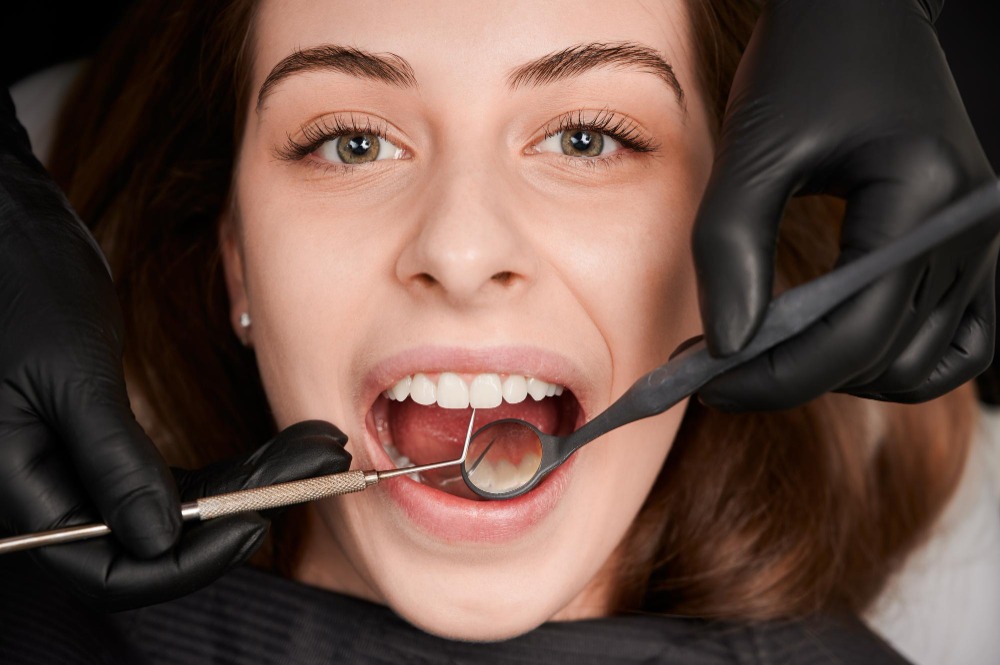
Before undergoing cosmetic gum reshaping, it is helpful to discuss your expectations, treatment options, and recovery with an experienced periodontist.
Am I a suitable candidate for a gum lift?
Not every gummy smile is caused by excess gum tissue. A periodontal examination can determine whether gum contouring is appropriate or whether another treatment approach may be more effective.
Will I need gum contouring or crown lengthening?
Some patients require only soft-tissue reshaping, while others may need additional bone contouring to achieve a healthy and stable gumline.
How much longer will my teeth appear?
The amount of tooth structure that can be revealed depends on your natural tooth anatomy and the relationship between the gums and supporting bone.
What affects Gum Reshaping Cost?
Gum reshaping cost depends on several factors, including the number of teeth being treated, the complexity of the procedure, the techniques required, and whether additional periodontal treatment is necessary. A personalised examination is generally needed before an accurate estimate can be provided.
How is Gummy Smile Treatment Cost determined?
Gummy smile treatment cost varies according to the underlying cause of excessive gum display and the treatment required to address it. Some patients may benefit from relatively straightforward gum contouring, while others may need crown lengthening or additional procedures. Your periodontist can explain the recommended treatment and associated fees during your consultation.
Will the results look natural?
A well-planned gum lift should complement your existing tooth proportions and facial features. The aim is to improve the balance of your smile without creating an excessively high or unnatural gumline.
How long will recovery take?
Recovery depends on the extent of treatment. Soft-tissue procedures generally involve a shorter initial healing period than treatments requiring bone reshaping.
Are gum lift results permanent?
Gum contouring can provide long-lasting improvements when treatment is appropriately planned and periodontal health is maintained. However, changes in gum tissue or regrowth may occur in some circumstances, and long-term results vary.
Can I see examples of previous patients’ results?
Reviewing relevant before and after photographs may help you understand the types of improvements that are possible. However, photographs should be viewed as examples rather than guarantees of a particular outcome.
Conclusion
A gum lift can improve the appearance of a smile by revealing more natural tooth structure, correcting uneven gum contours, and creating better proportions between the teeth and gums.
However, successful results depend on more than simply removing excess tissue. Natural tooth dimensions, underlying bone structure, periodontal health, and individual smile characteristics must all be considered to achieve an aesthetically pleasing and stable outcome.
For patients considering a Gum Lift Beverly Hills, a comprehensive periodontal evaluation is the best way to determine whether gum contouring or crown lengthening in Beverly Hills can achieve their desired improvements.
Dr. Bradley Lander, a Beverly Hills periodontist, provides individualised periodontal assessments and treatment planning with an emphasis on preserving gum health while improving smile aesthetics.
If you are concerned about a gummy smile, uneven gumline, or teeth that appear too short, schedule a consultation with Dr. Bradley Lander to explore your treatment options and learn what results you can realistically expect.