
Seeing blood when you brush or floss can be alarming. Many people immediately assume that bleeding gums mean they have gum disease, while others dismiss occasional bleeding as normal.
The reality lies somewhere in between.
Bleeding gums do not always mean you have periodontal disease, but healthy gums generally should not bleed regularly. Persistent or unexplained bleeding is often a sign of inflammation and deserves attention, particularly when accompanied by swelling, tenderness, bad breath, gum recession, or changes around the teeth.
For patients concerned about gum disease in Beverly Hills, identifying why the gums are bleeding is important because early gum problems are usually easier to manage than advanced periodontal disease.
Why Do Gums Bleed?
Gum tissue contains many small blood vessels. When the tissue becomes inflamed, irritated, or injured, it can bleed more easily.
There are several possible reasons this may happen.
Some are temporary and relatively minor, while others can indicate a condition requiring professional treatment.
Gingivitis: A Common Cause of Bleeding Gums
One of the most common reasons gums bleed is gingivitis, the earliest stage of gum disease.
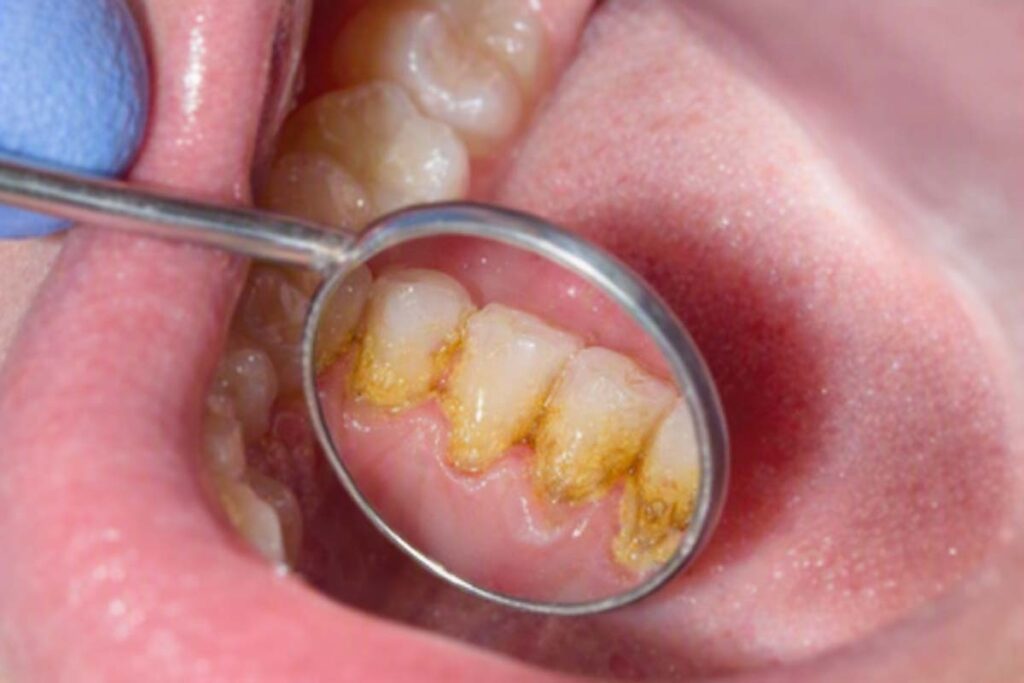
Plaque is a sticky film of bacteria that continually forms on the teeth. If it is not adequately removed through brushing and flossing, it can accumulate along the gumline.
The body’s response to these bacteria causes inflammation.
Gums affected by gingivitis may appear:
- Red rather than healthy pink
- Puffy or swollen
- Tender
- More likely to bleed during brushing or flossing
At this stage, the condition has not yet caused the bone loss associated with periodontitis.
This is an important distinction because gingivitis can generally be reversed when the bacterial buildup is removed and effective oral hygiene is established.
When Does Gingivitis Become Periodontitis?
If gingivitis is allowed to persist, inflammation may progress deeper beneath the gumline.
The gums can begin to separate from the teeth, creating periodontal pockets where bacteria accumulate. Over time, the inflammation can damage the bone and other structures supporting the teeth.
This more advanced form of gum disease is called periodontitis.
Unlike gingivitis, bone and supporting tissue lost through periodontitis do not simply return when the gums stop bleeding.
This is why recognizing early warning signs can be so important.
Can Your Gums Bleed Without Having Gum Disease?
Yes.
There are situations in which gums may bleed even when periodontal disease is not the primary cause.
Starting to Floss Again
If you have not flossed regularly and suddenly begin, your gums may initially bleed.
However, this is often because plaque accumulation has already caused some degree of gum inflammation rather than because floss itself is harmful.
With correct daily flossing and good plaque control, mild bleeding should generally improve.
If it continues, a dental or periodontal evaluation is appropriate.
Brushing Too Hard
Aggressive brushing can traumatize the gums.
Using excessive pressure or a hard-bristled toothbrush may irritate the gum tissue and can contribute to gum recession over time.
A soft-bristled toothbrush and gentle technique are generally preferable.
An Injury to the Gum
A sharp piece of food, vigorous flossing, or another minor injury can cause localized bleeding.
If one small area bleeds once and then heals normally, it is quite different from gums that bleed repeatedly in several areas of the mouth.
Hormonal Changes
Hormonal changes can alter the way gum tissue responds to plaque and may make the gums more susceptible to inflammation and bleeding.
This can occur during pregnancy and at other times of significant hormonal change.
Good professional and home dental care remains particularly important during these periods.
Certain Medications
Some medications can increase a person’s tendency to bleed.
If you take blood-thinning medication, for example, gum bleeding may appear more noticeable.
You should not stop prescribed medication because your gums are bleeding. Instead, inform your dentist or periodontist about all medications you are taking so the bleeding can be evaluated appropriately.
Is It Normal for Gums to Bleed When You Floss?
Regular bleeding during flossing should not simply be accepted as normal.
It is common for people to stop flossing when they see blood because they assume the floss is damaging their gums. Unfortunately, avoiding the area can allow more plaque to accumulate and potentially make inflammation worse.
Floss should be used gently rather than snapped forcefully into the gum tissue.
If your gums continue to bleed despite consistent, careful brushing and flossing, the cause should be investigated.
What Other Symptoms Can Occur With Gum Disease?
Bleeding is only one possible sign of periodontal disease.
Other symptoms may include:
- Red or swollen gums
- Persistent bad breath
- Gum tenderness
- Gum recession
- Teeth that appear longer
- Spaces developing between the teeth
- Pus around the gumline
- Changes in the way the teeth fit together
- Loose or shifting teeth
However, periodontal disease can sometimes progress with surprisingly few noticeable symptoms.
A patient may have significant periodontal pockets or bone loss without experiencing pain.
For this reason, the absence of discomfort does not necessarily mean the gums are healthy.
Why Doesn’t Gum Disease Always Hurt?
Periodontal disease is often described as a “silent” condition because it can progress gradually without causing significant pain.
A cavity or dental infection may eventually produce obvious discomfort. Gum disease can behave differently.
The supporting bone may slowly be lost while the patient notices little more than occasional bleeding or bad breath.
By the time teeth begin to feel loose, periodontal destruction may already be advanced.
Regular periodontal measurements and appropriate dental imaging can identify changes that are not obvious simply by looking in the mirror.
How Does a Periodontist Diagnose Gum Disease?
A periodontal evaluation looks at much more than whether your gums bleed.
The periodontist may assess:
- Gum color and inflammation
- Bleeding during examination
- Periodontal pocket depths
- Gum recession
- Tooth mobility
- Bone levels around the teeth
- Plaque and calculus buildup
- The patient’s dental and medical history
Dental X-rays or other imaging may also be used to evaluate the bone supporting the teeth.
These findings help distinguish mild gingivitis from more advanced periodontal disease and determine the appropriate treatment.
What Happens If Bleeding Gums Are Ignored?
The outcome depends on what is causing the bleeding.
A minor injury may heal without treatment. Gingivitis, however, can persist and potentially progress if the bacterial buildup responsible for the inflammation is not controlled.
If periodontitis develops, continued inflammation can result in progressive loss of the bone supporting the teeth.
Possible consequences include:
- Gum recession
- Increasing periodontal pocket depths
- Bone loss
- Tooth movement
- Loose teeth
- Eventual tooth loss
The objective of periodontal treatment is to control the infection and inflammation before this damage progresses.
How Is Gum Disease Treated?
Treatment depends on the severity of the condition.
Gingivitis
Early inflammation may often be managed with professional cleaning combined with improved daily oral hygiene.
The goal is to remove plaque and calculus and establish an effective routine for keeping the gumline clean.
Periodontitis
When periodontal pockets and bone loss are present, deeper treatment may be required.
This can include scaling and root planing to remove bacterial deposits from beneath the gumline.
More advanced cases may require periodontal surgical or regenerative procedures depending on the pattern and severity of the disease.
Periodontal Maintenance
After active periodontal treatment, ongoing maintenance is particularly important.
Periodontal disease can recur if bacterial deposits are allowed to accumulate again.
Patients with a history of periodontitis may therefore require professional maintenance more frequently than someone without periodontal disease.
Can Bleeding Gums Be Fixed at Home?
Improving home care is an important part of maintaining healthy gums, but persistent bleeding should not be self-diagnosed.
Good daily habits include:
- Brushing twice a day with a soft-bristled toothbrush
- Cleaning between the teeth every day
- Using gentle rather than aggressive brushing pressure
- Attending regular professional dental cleanings
- Avoiding tobacco use
If plaque-induced gingivitis is responsible for mild bleeding, improved plaque control can make a substantial difference.
However, home care cannot remove hardened calculus from beneath the gumline or restore bone that has already been lost through periodontal disease.
When Should You See a Periodontist for Bleeding Gums?
An isolated episode of bleeding does not necessarily mean you need periodontal treatment.
However, you should consider an evaluation if:
- Your gums bleed frequently
- Bleeding continues despite good oral hygiene
- Your gums are swollen or tender
- You notice gum recession
- You have persistent bad breath
- Your teeth appear to be shifting
- A tooth feels loose
- You have previously been diagnosed with periodontal disease
Early assessment can determine whether the problem is simple gingival inflammation or something requiring more comprehensive periodontal care.
Gum Disease Treatment in Beverly Hills
Bleeding gums are common, but they should not automatically be considered normal.
Sometimes the cause is temporary irritation or trauma. Frequently, however, recurring bleeding is one of the earliest visible signs of inflammation around the teeth.
Dr. Bradley Lander provides diagnosis and treatment for patients concerned about gum disease in Beverly Hills, with treatment tailored to the severity and cause of the periodontal condition.
A comprehensive periodontal examination can determine whether bleeding is related to gingivitis, periodontitis, localized irritation, or another contributing factor and establish the appropriate treatment plan.
Final Thoughts
Bleeding gums do not always mean you have advanced gum disease. But if your gums bleed repeatedly when you brush or floss, it is worth finding out why.
When the cause is gingivitis, early treatment and improved oral hygiene may allow the gums to return to health. When periodontitis is present, professional treatment is important to help control the disease and protect the bone supporting the teeth.
Most importantly, do not wait for gum disease to become painful before having it assessed. Periodontal problems can progress quietly, and early diagnosis can make treatment considerably simpler.
If you are experiencing persistent bleeding gums or are concerned about gum disease in Beverly Hills, schedule a periodontal evaluation with Dr. Bradley Lander to determine the cause and the most appropriate treatment.