
Understanding the Dental Implant Procedure Step by Step
Dental implants are one of the most advanced and reliable solutions for replacing missing teeth. Designed to function like natural tooth roots, implants provide exceptional stability, strength, and aesthetics. Unlike traditional restorations, they integrate with the jawbone, creating a long-lasting foundation for replacement teeth.
For many patients, the idea of implant treatment can feel complex or intimidating. However, understanding the dental implant procedure step by step can help you feel more informed, comfortable, and confident before starting the process. For patients considering dental implants in Beverly Hills, the procedure is typically streamlined through advanced planning techniques, digital imaging, and precise surgical protocols that ensure predictable outcomes.
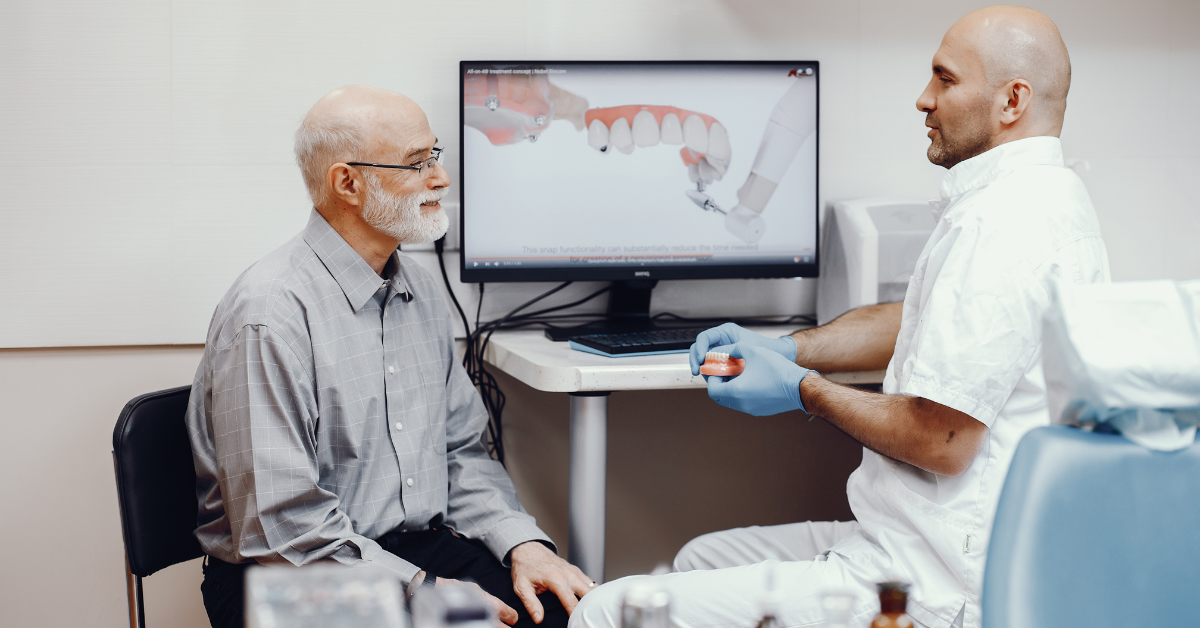
Step 1: Initial Consultation and Planning
The process begins with a comprehensive consultation, which is one of the most important stages of the entire treatment.
This appointment typically includes:
- A full dental examination
- Digital X-rays or 3D imaging
- Evaluation of bone density and overall oral health
- Discussion of your goals and expectations
During this stage, your dentist will determine whether dental implants are the most suitable option for your specific needs. Factors such as bone quality, gum health, and medical history are carefully assessed.
In Beverly Hills, advanced imaging and digital planning tools allow for highly precise and customised implant placement. These technologies enable your specialist to map out the exact position of the implant before surgery even begins, improving both accuracy and efficiency.
Step 2: Preparation (If Needed)
Not all patients are immediately ready for implant placement. In some cases, preparatory procedures are required to create an optimal environment for the implant.
These may include:
- Tooth extraction, if a damaged or non-restorable tooth is still present
- Bone grafting, if there is insufficient bone to support the implant
These preparatory steps are essential in ensuring that the implant is placed in a stable and healthy foundation. While they may add time to the overall treatment timeline, they significantly increase the likelihood of long-term success.
Each treatment plan is tailored to the individual, meaning some patients may proceed directly to implant placement, while others may require additional preparation beforehand.
Step 3: Implant Placement Surgery
This stage involves the surgical placement of the dental implant into the jawbone.
During this phase of the dental implant surgery steps:
- The area is numbed using local anaesthesia
- The implant is carefully and precisely positioned within the bone
- The gum tissue is closed to allow healing
The procedure is typically straightforward and well tolerated by most patients. Despite common concerns, many people are surprised by how comfortable the experience is, often comparing it to a routine dental procedure.
In many cases, patients are able to return home the same day and resume light activities within a short period.
Step 4: Healing and Osseointegration
After the implant is placed, the body begins a natural process known as osseointegration. This is a critical phase in which the implant fuses with the surrounding jawbone.
This stage is essential for:
- Long-term stability of the implant
- Strength and durability
- Natural function, similar to a real tooth root
Although the surgical site may feel healed within a few weeks, the deeper integration process takes longer. Healing typically occurs over a period of 3 to 6 months, depending on individual factors such as bone quality and overall health.
During this time, patients can usually continue with their normal daily routines, as the majority of healing happens beneath the surface.
Step 5: Abutment Placemen
Once the implant has fully integrated with the bone, the next step is to attach the abutment. This is a small connector piece that links the implant to the final restoration.
During this stage:
- The gum tissue is gently reopened
- The abutment is secured to the implant
- The area is allowed to heal around the connector
This is typically a minor procedure and involves minimal discomfort. In some cases, the abutment may be placed at the same time as the implant, depending on the treatment plan.
The abutment plays a crucial role in supporting the final crown and ensuring a stable, functional result.
Step 6: Final Crown Placement
The final stage of the dental implant procedure involves placing a custom-designed crown.
This crown is:
- Carefully matched to the colour, shape, and size of your natural teeth
- Designed to restore both function and aesthetics
- Secured to the abutment for a stable fit
Once the crown is in place, the implant is fully restored. The result is a tooth that looks, feels, and functions like a natural part of your smile.
Patients can eat, speak, and smile with confidence, knowing that their restoration is both durable and aesthetically refined.
What Happens During Dental Implant Surgery?
Dental implant surgery is a precise and carefully planned procedure that prioritises both safety and long-term success.
It is typically:
- Minimally invasive
- Performed under local anaesthesia
- Guided by advanced imaging and planning
Most patients report that the procedure is far more comfortable than expected, with only mild post-operative discomfort that resolves quickly.
Benefits of Dental Implants
Dental implants offer a range of benefits that make them a preferred solution for tooth replacement:
- Long-lasting and highly durable
- Natural appearance and feel
- Improved chewing ability and speech
- Preservation of jawbone structure
- Prevention of further bone loss
These advantages make implants not only a cosmetic improvement but also an important investment in long-term oral health.
FAQs About the Dental Implant Procedure
What are the stages of a dental implant procedure?
The process includes consultation, preparation (if needed), implant placement, healing, abutment placement, and final restoration.
How long does the dental implant process take?
The full process can take several months, primarily due to the healing period required for osseointegration.
Is dental implant surgery painful?
The procedure is performed under anaesthesia, and most patients experience minimal discomfort during and after treatment.
How successful are dental implants?
Dental implants have a success rate of over 95% when properly planned, placed, and maintained.
How long do dental implants last?
With proper care and regular dental check-ups, implants can last for many years, often decades.
Final Thoughts
Understanding the dental implant procedure step by step allows you to approach treatment with clarity and confidence. While the process involves multiple stages, each step is carefully designed to ensure a strong, stable, and aesthetically pleasing result.
For patients undergoing Dental implant treatment in Beverly Hills, the combination of advanced technology, clinical expertise, and attention to detail ensures outcomes that are both functional and natural-looking. With the right guidance and care, dental implants can provide a long-term solution that enhances both your smile and overall quality of life.