Dental implants cannot develop cavities in the same way as natural teeth, but that does not mean they are maintenance-free.
The tissues surrounding an implant need to remain healthy for the implant to function successfully over the long term.
Inflammation and infection can develop around implants, and progressive inflammation may lead to loss of supporting bone.
For patients who have invested in dental implants in Beverly Hills, ongoing maintenance is therefore an important part of protecting that investment.
Why Do Dental Implants Need Professional Maintenance?
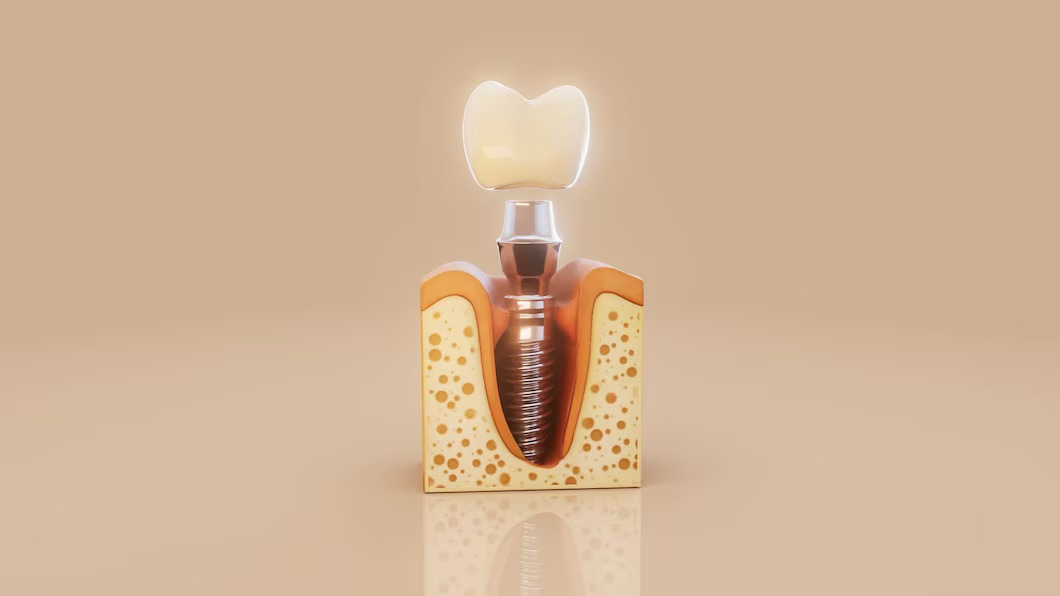
A dental implant is surrounded by bone and gum tissue.
These tissues form the biological foundation supporting the implant.
Plaque and bacteria can accumulate around an implant restoration just as they do around natural teeth.
If inflammation develops and progresses, the supporting tissues can be affected.
What Is Peri-Implantitis?
Peri-implantitis is an inflammatory condition involving the tissues surrounding a dental implant and is associated with progressive bone loss.
Dr. Lander identifies peri-implantitis as one of the significant complications associated with dental implants and emphasises the importance of early diagnosis and intervention.
Because changes may initially be subtle, routine monitoring is valuable even when an implant feels completely normal.
What Are the Warning Signs of an Implant Problem?
Signs that deserve assessment can include:
- Bleeding around an implant
- Swollen or tender gums
- Persistent bad taste or discharge
- Gum recession
- Increasing visibility of the implant components
- Changes in the way the implant restoration feels
- Discomfort when chewing
- Implant mobility
An implant that feels loose should be assessed promptly.
However, problems can sometimes develop before obvious symptoms appear, which is why professional monitoring matters.
How Should I Clean Around My Dental Implant?
Good daily plaque control is essential.
The appropriate cleaning technique depends partly on the design and position of your implant restoration.
Your dental team may recommend a combination of brushing and specific interdental cleaning methods to clean around the implant and neighbouring teeth.
The important principle is consistency.
An implant should become part of your normal oral hygiene routine rather than something you avoid cleaning because you are worried about damaging it.
How Often Should Dental Implants Be Checked?
There is no universal maintenance interval that is right for every patient.
Your recommended schedule depends on factors such as:
- Your periodontal history
- Number and position of implants
- Oral hygiene
- Smoking history
- Previous implant complications
- Bone and gum condition
- and other individual risk factors.
- Patients with a history of periodontal disease may require particularly careful ongoing monitoring.
Why Is the Gum Around an Implant Important?
The gum tissue around an implant helps create a protective soft-tissue seal.
Adequate tissue thickness and healthy contours also contribute to the appearance of implants, particularly around front teeth.
If soft tissue is deficient or recession develops, periodontal treatment may sometimes be considered to improve the environment around the implant.
Can Bone Be Rebuilt Around a Failing Implant?
Treatment depends on the cause and extent of the problem.
Some implant complications can be managed, while others are more difficult to treat.
In selected cases, regenerative procedures may be considered where bone or soft tissue has been lost.
Dr. Lander’s practice provides treatment for dental implant complications, including peri-implantitis, alongside hard and soft tissue reconstruction.
The earlier a problem is identified, the more treatment options may be available.
Can Dental Implants Last a Lifetime?
Dental implants are designed as a long-term tooth replacement, but no medical or dental treatment can be guaranteed to last for life.
Implant longevity depends on a combination of appropriate initial treatment, healthy supporting tissues, good oral hygiene, regular professional maintenance and individual health and lifestyle factors.
The objective should therefore not simply be getting an implant placed successfully.
It should be keeping the implant healthy for years after treatment is complete.
Protecting Your Dental Implants in Beverly Hills
Dr. Bradley Lander is a Board-Certified Periodontist and dental implant surgeon providing implant placement, periodontal reconstruction and management of dental implant complications in Beverly Hills.
If you have an existing implant and notice bleeding, swelling, recession or another change around it, early periodontal assessment is worthwhile.
And even when everything feels completely normal, ongoing professional maintenance remains an important part of protecting the bone and gum tissues that support your dental implants.