
When a tooth needs a dental crown, you might expect the process to involve preparing the tooth and placing the new restoration. In some cases, however, your dentist may tell you that there is not enough healthy tooth structure available to support the crown properly.
This is one of the situations in which crown lengthening may be recommended.
Despite its name, crown lengthening does not involve making the dental crown itself longer. It is a periodontal procedure that exposes more of the natural tooth by carefully reshaping the gum tissue and, when necessary, a small amount of the supporting bone.
For patients considering crown lengthening in Beverly Hills, the procedure can create the healthy tooth structure needed for a secure, well-fitting restoration and help establish an environment that is easier to maintain over the long term.
What Is Crown Lengthening?
Crown lengthening is a periodontal surgical procedure used to expose more of a tooth above the gumline.
Depending on the individual situation, this may involve repositioning excess gum tissue, reshaping a small amount of the underlying bone, or both.
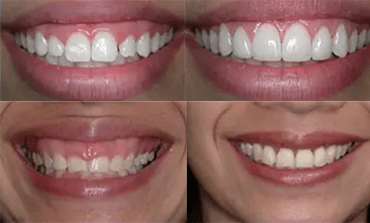
Although crown lengthening is sometimes performed for cosmetic reasons, such as improving a “gummy” smile, it also has an important restorative purpose.
When a tooth is badly damaged or decayed close to or beneath the gumline, crown lengthening can give the restorative dentist access to sufficient healthy tooth structure to place a crown or other restoration.
Why Does a Dental Crown Need Enough Exposed Tooth?
A dental crown fits over the remaining natural tooth.
For the restoration to function successfully, the dentist needs adequate healthy tooth structure to prepare and support it.
If decay, a fracture, or an old restoration extends too far beneath the gumline, there may not be enough accessible tooth to create an ideal foundation for the new crown.
Trying to place a crown too deeply beneath the gumline can also interfere with the surrounding periodontal tissues.
Crown lengthening can expose additional healthy tooth structure and create a more favorable relationship between the restoration and the gums.
When Is Crown Lengthening Necessary Before a Dental Crown?
There are several common situations in which a periodontist may recommend crown lengthening.
A Tooth Has Broken Near the Gumline
Teeth can fracture because of trauma, decay, large existing fillings, or heavy biting forces.
If the fracture extends close to or below the gumline, there may not be enough visible tooth remaining for a crown to grip securely.
Crown lengthening can expose healthy tooth structure below the fracture and allow the restorative dentist to determine whether the tooth can be successfully restored.
Decay Extends Below the Gumline
A cavity does not always remain on the easily accessible portion of a tooth.
When decay extends beneath the gum tissue, completely removing it and placing a well-sealed restoration can become difficult.
Crown lengthening may provide the dentist with better access to the affected area while creating enough healthy tooth structure for the final restoration.
An Existing Crown or Filling Has Failed
Sometimes decay develops beneath an old crown or filling.
After the old restoration and damaged tooth structure are removed, less healthy tooth may remain than expected.
If the remaining tooth structure is too close to the gum or bone, crown lengthening may be necessary before a replacement crown can be made.
There Is Not Enough Tooth Structure to Hold the Crown
A crown needs an adequate amount of tooth structure for retention and resistance.
If only a very short portion of the tooth remains above the gumline, the crown may not have an ideal foundation.
By exposing more natural tooth structure, crown lengthening can help the restorative dentist create a more stable preparation.
Why Can’t the Dentist Simply Put the Crown Deeper Under the Gum?
This is an important question.
The gum and bone surrounding a tooth need a certain amount of space to remain healthy. The tissues attach to the tooth in a carefully organized area around the base of the crown.
If a restoration extends too deeply into this space, it can interfere with the periodontal tissues.
This may contribute to:
- Persistent gum inflammation
- Bleeding around the crown
- Tenderness
- Difficulty cleaning the area
- Gum recession
- Changes in the supporting bone
Crown lengthening can create appropriate space between the edge of the restoration and the supporting periodontal tissues.
The objective is therefore not simply to expose more tooth. It is to establish a healthier relationship between the tooth, restoration, gum, and bone.
What Happens During Crown Lengthening?
Crown lengthening is generally performed by a periodontist under local anesthesia.
The gum tissue around the tooth is carefully repositioned to expose the underlying tooth and bone.
In some cases, adjusting the gum tissue alone may provide sufficient additional tooth structure.
In many restorative crown-lengthening procedures, however, a small amount of bone around the tooth may also need to be reshaped. This allows the gum tissue to heal at an appropriate level while leaving enough tooth exposed for the future restoration.
Once the necessary adjustments have been made, the gum tissue is repositioned and secured.
The exact procedure depends on the tooth involved, the location of the damage, the amount of healthy tooth remaining, and the position of the surrounding bone.
Does Crown Lengthening Always Involve Removing Bone?
No.
Some cases require only the removal or repositioning of gum tissue.
However, when a dental crown is being planned, bone reshaping may be necessary to create adequate space between the future crown margin and the supporting tissues.
A periodontal examination and appropriate dental imaging help determine which approach is needed.
Can Crown Lengthening Save a Tooth That Would Otherwise Need Extraction?
In some cases, yes.
A tooth that appears too badly broken or decayed to restore may still have healthy tooth structure beneath the gumline.
If that structure can be safely exposed while maintaining adequate support for the tooth, crown lengthening may allow the dentist to restore it rather than remove it.
However, not every severely damaged tooth can or should be saved.
Before recommending treatment, several factors need to be considered, including:
- How much healthy tooth remains
- The amount of supporting bone
- The condition of the tooth root
- Whether the tooth has fractured below the bone
- The tooth’s position
- The health of the surrounding gums
- The long-term restorative prognosis
The goal is not to save a tooth at any cost, but to determine whether it can be restored predictably and maintained successfully.
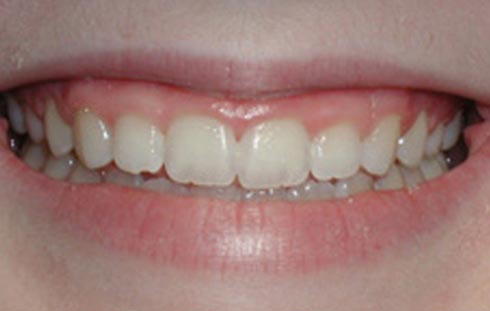
Before Crown Lengthening
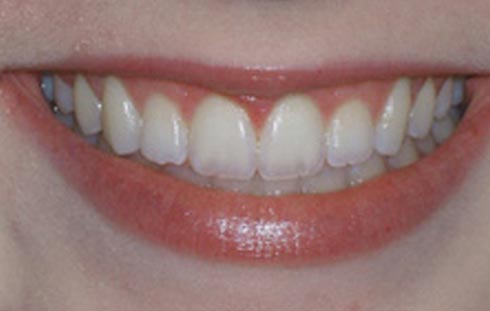
After Crown Lengthening
Crown Lengthening or Tooth Extraction: How Is the Decision Made?
If a tooth is badly damaged beneath the gumline, both crown lengthening and extraction followed by tooth replacement may sometimes be considered.
The decision depends on the long-term prognosis of the natural tooth.
If crown lengthening would leave the tooth with insufficient bone support or an unfavorable relationship between the crown and root, extraction may ultimately be the better option.
On the other hand, if adequate support can be maintained and healthy tooth structure can be exposed, crown lengthening may help preserve the natural tooth.
This decision is often made collaboratively between the periodontist and the dentist who will restore the tooth.
How Long After Crown Lengthening Can a Permanent Crown Be Placed?
The gum tissue needs time to heal and stabilize following crown lengthening.
The appropriate waiting period varies depending on the extent of surgery, the location of the tooth, and the amount of tissue or bone that was adjusted.
A temporary restoration may be used while the area heals.
It is important not to rush placement of the final crown because the gumline can change during healing. Allowing the tissues to stabilize helps the restorative dentist establish the final crown margin more accurately.
In areas that are highly visible when smiling, additional healing time may sometimes be recommended to allow the gum position to mature before the final restoration is completed.
Is Crown Lengthening Painful?
The procedure is performed with local anesthesia to keep the area comfortable during treatment.
Afterward, patients may experience some tenderness, swelling, or sensitivity around the surgical site.
Post-operative instructions may include recommendations regarding brushing, eating, and keeping the area clean while it heals.
Most importantly, the surgical site should be protected during the initial healing period.
Will Crown Lengthening Make My Tooth Look Longer?
The treated tooth may appear somewhat longer because more of its natural surface has been exposed.
How noticeable this is depends on the location of the tooth and the amount of tissue that needs to be repositioned.
For back teeth, the change may have little or no visible cosmetic impact.
When crown lengthening is required on a front tooth, esthetics become particularly important. The periodontist needs to consider the gumline of the neighboring teeth and how the final crown will look within the patient’s smile.
Why Is a Periodontist Often Involved?
Crown lengthening involves the gum and, in many cases, the bone surrounding the tooth.
Periodontists specialize in these supporting structures.
The procedure needs to expose sufficient tooth for the restorative dentist while preserving periodontal health and as much support around the tooth as possible.
This balance is especially important because removing too little tissue may not solve the restorative problem, while removing more than necessary could compromise support or esthetics.
Careful periodontal planning is therefore an important part of the process.
Does Crown Lengthening Affect the Teeth Next to It?
Sometimes the periodontal surgery may involve tissue around adjacent teeth to create a smooth and natural gum and bone contour.
This is particularly relevant in visible areas of the mouth where treating only one small area could create an uneven gumline.
The extent of treatment is determined individually and should be discussed before the procedure.
How Do You Care for the Area After Crown Lengthening?
Following your periodontist’s post-operative instructions is important for proper healing.
Patients may temporarily need to modify how they brush and floss around the surgical site.
General recommendations may include:
- Keeping the surgical area clean as directed
- Avoiding aggressive brushing over the healing tissue
- Eating softer foods during the early healing period
- Avoiding smoking
- Taking prescribed or recommended medications as directed
- Attending scheduled follow-up appointments
Once healing is complete, maintaining good plaque control around the new crown becomes important for protecting both the restoration and the surrounding gum tissue.
Crown Lengthening in Beverly Hills
Restorative crown lengthening is not primarily about changing the appearance of the smile. In many cases, it is performed to create the healthy foundation necessary for another dental procedure.
Dr. Bradley Lander provides periodontal treatment for patients requiring crown lengthening in Beverly Hills, working with the restorative dentist to help establish an appropriate relationship between the tooth, gum tissue, supporting bone, and future restoration.
Careful planning can help determine whether crown lengthening will make a damaged tooth predictably restorable while maintaining the health of the surrounding periodontal tissues.
Final Thoughts
If your dentist has recommended crown lengthening before placing a dental crown, it usually means there is not enough accessible healthy tooth structure to restore the tooth ideally in its current condition.
By carefully repositioning the gum and, when necessary, reshaping a small amount of supporting bone, crown lengthening can expose additional healthy tooth structure and create appropriate space for the new restoration.
In some cases, this relatively focused periodontal procedure can make the difference between a tooth that is difficult to restore and one that can be successfully crowned and maintained.
If you have been advised that you may need crown lengthening in Beverly Hills, schedule a consultation with Dr. Bradley Lander for a periodontal evaluation and individualized treatment plan.