
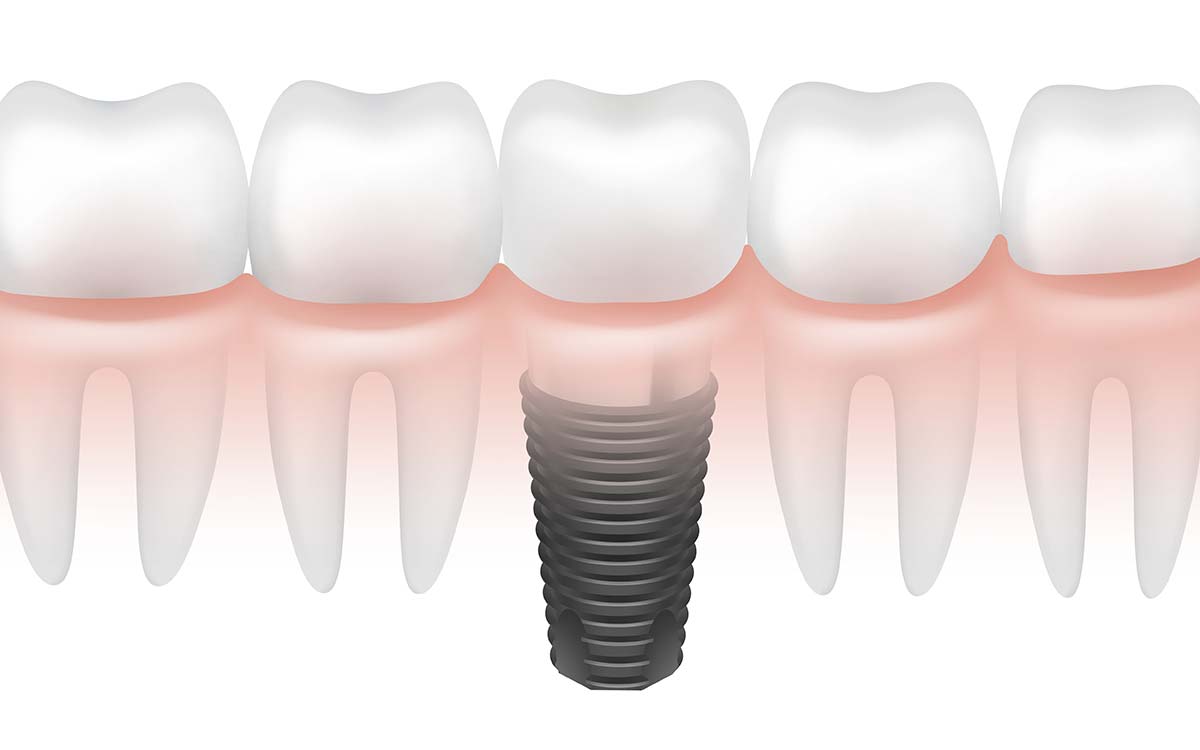
If a tooth needs to be removed and you are planning to replace it with a dental implant, one of the first questions you may have is whether both procedures can be performed at the same appointment.
In many cases, the answer is yes. An implant can sometimes be placed immediately after a tooth is extracted, a procedure known as immediate implant placement. However, this approach is not suitable for every patient or every extraction site.
For patients considering dental implants in Beverly Hills, careful evaluation before the extraction is important. The amount and quality of available bone, the condition of the gums, the reason the tooth needs to be removed, and the presence of infection can all influence whether immediate implant placement is appropriate.
What Is Immediate Implant Placement?
Traditional implant treatment often involves removing the damaged tooth, allowing the extraction site to heal, and then placing the dental implant at a later appointment.
With immediate implant placement, the tooth is carefully extracted and the dental implant is positioned in the extraction site during the same procedure.
This does not necessarily mean that the final replacement tooth is attached immediately. The implant still needs time to integrate with the surrounding bone before it can support a permanent crown in many cases.
The terms immediate implant placement and immediate loading therefore describe two different things.
What Are the Advantages of Placing an Implant Immediately?
When clinically appropriate, immediate implant placement can offer several advantages.
Fewer Surgical Procedures
Combining the extraction and implant placement can reduce the number of separate surgical appointments required.
Instead of having an extraction followed by another procedure several months later, both steps may be completed during a single visit.
Shorter Overall Treatment Time
Because implant placement begins at the time of extraction, the overall treatment process may be shorter than with a delayed approach.
However, the implant still requires adequate healing before the final restoration can be completed.
Preservation of Bone and Gum Architecture
After a tooth is removed, the bone that previously supported it naturally begins to change.
Immediate implant placement, often combined with bone grafting when appropriate, can help support the structures around the extraction site.
This can be particularly important when replacing teeth in visible areas of the smile.
Potential Esthetic Benefits
Preserving the contours of the bone and gum tissue can help create a natural-looking result around the future implant crown.
For front teeth in particular, treatment planning needs to consider not only the implant itself but also the appearance and stability of the surrounding gum tissue.
Who Is a Good Candidate for an Immediate Dental Implant?
The decision cannot be made based solely on whether a tooth needs extraction.
Several factors need to be evaluated.
Adequate Bone
The implant must achieve sufficient stability in the available bone.
If significant bone has already been lost around the tooth, immediate implant placement may be more difficult or may require additional bone grafting.
Healthy Gum Tissue
The quality and quantity of the gum tissue surrounding the tooth are also important.
Thin or damaged gum tissue can influence both the stability and appearance of the final result.
The Extraction Can Be Performed Carefully
Preserving the bone around the extraction socket is particularly important when immediate implant placement is being considered.
For this reason, the way the tooth is removed can affect subsequent implant treatment.
Patients requiring a tooth extraction in Beverly Hills who are considering an implant should ideally discuss the replacement plan before the tooth is removed.
Good Overall Oral Health
Untreated gum disease and poor oral hygiene can increase the risk of complications with dental implants.
Any active periodontal problems should be evaluated and managed as part of the overall treatment plan.
What If the Tooth Is Infected?
The presence of infection does not automatically rule out immediate implant placement, but it makes careful diagnosis particularly important.
The infected or damaged tissue must be thoroughly removed, and the periodontist needs to determine whether the remaining bone can provide adequate support for the implant.
In some situations, it is safer and more predictable to extract the tooth, treat the infection, allow the area to heal, and place the implant later.
The objective should not simply be to place an implant as quickly as possible. The priority is achieving a stable, healthy result that has the best chance of lasting.
Will I Need Bone Grafting?
Possibly.
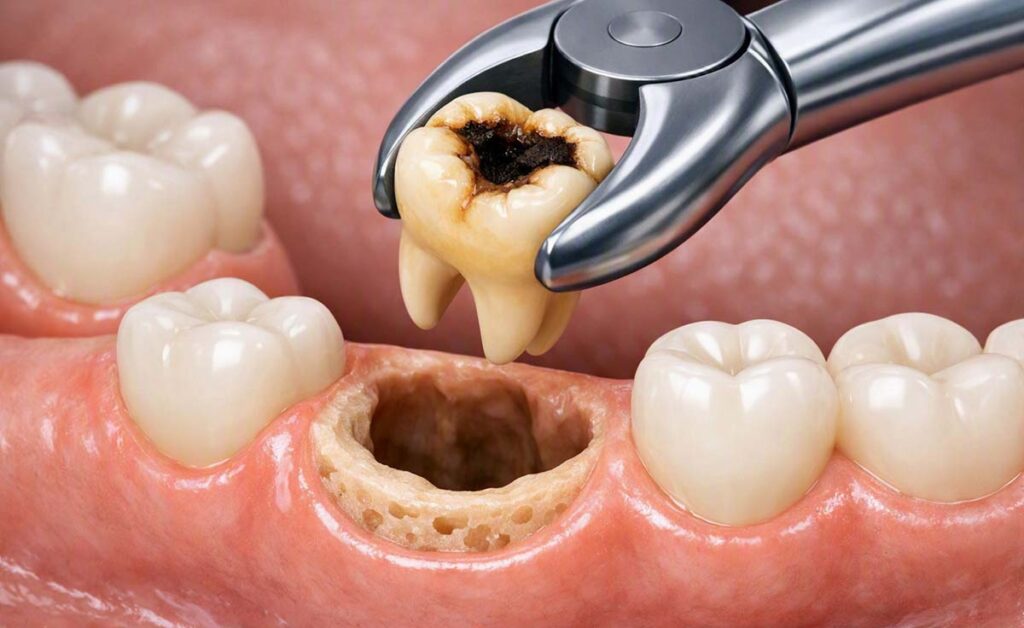
When a tooth is removed, there may be a space between the implant and the walls of the extraction socket. Bone grafting material may be placed around the implant to support healing and help maintain the shape of the surrounding bone.
Bone grafting may also be required when bone has already been lost because of infection, periodontal disease, trauma, or other factors.
In cases where there is insufficient bone to support an implant securely, grafting may be performed first and implant placement delayed until the area has healed.
What Happens If an Implant Cannot Be Placed Immediately?
Delayed implant placement is not a second-best treatment.
In some situations, allowing the extraction site to heal before placing the implant provides a more predictable foundation for treatment.
After the tooth is removed, the periodontist may place bone grafting material into the extraction site to help preserve the bone for a future implant. This is commonly referred to as socket preservation.
Once adequate healing has occurred, the site can be reassessed and the dental implant placed at the appropriate time.
Can You Leave the Appointment With a Tooth?
This depends on the location of the missing tooth, implant stability and the individual treatment plan.
In certain carefully selected cases, a temporary tooth may be attached at the time the implant is placed. This is sometimes called an immediate provisional restoration.
However, the temporary restoration is designed primarily for appearance and must be carefully managed while the implant heals.
In other situations, a temporary removable tooth or another provisional option may be recommended instead.
Patients should not assume that receiving an implant immediately means receiving their permanent tooth immediately.
Why Planning Before the Extraction Matters
If you know that a tooth cannot be saved and you are interested in replacing it with an implant, it is beneficial to have the extraction and implant plan considered together.
Removing the tooth without first considering the future implant can sometimes result in the loss of bone or gum tissue that might otherwise have been preserved.
A periodontist can assess the tooth, surrounding bone and gum tissue before extraction and determine whether:
- Immediate implant placement is possible
- Bone grafting may be required
- Socket preservation should be performed
- A delayed implant would provide a better result
- Additional gum treatment may be beneficial
- A temporary tooth can be provided during healing
This coordinated approach can be particularly important for teeth that are visible when you smile.
How Long Does an Immediate Dental Implant Take to Heal?
Even though the implant is placed immediately after extraction, biological healing cannot be rushed.
The implant needs time to integrate with the surrounding bone through a process known as osseointegration.
Healing times vary depending on the implant site, bone quality, whether grafting was performed and the patient’s individual healing response.
Once the implant is sufficiently integrated and the surrounding tissues are healthy, the restorative phase can proceed.
Immediate Implants and Front Teeth
Replacing a front tooth presents additional challenges because the final result needs to look natural as well as function properly.
The position of the implant, thickness of the facial bone, shape of the gum tissue and relationship with the surrounding teeth all affect the final appearance.
Even a technically successful implant can be cosmetically disappointing if the gumline recedes or the implant is positioned incorrectly.
This is one reason periodontal and implant expertise can be particularly valuable when immediate placement is being considered in the esthetic zone.
Dental Implants and Tooth Extraction in Beverly Hills
There is no single treatment timeline that is right for every patient.
Some patients are excellent candidates for receiving an implant at the same appointment as their extraction. Others will achieve a more predictable result by allowing the area to heal first.
For patients considering dental implants in Beverly Hills or requiring a tooth extraction in Beverly Hills, Dr. Bradley Lander evaluates the health of the tooth, bone and surrounding gum tissue to develop an individualized treatment plan.
When possible, planning the extraction and future tooth replacement together can help preserve valuable bone and soft tissue and create the best foundation for implant treatment.
Final Thoughts
Yes, it is sometimes possible to receive a dental implant immediately after a tooth extraction — but faster is not always better.
The success of immediate implant placement depends on careful case selection, adequate bone, healthy surrounding tissues and the ability to achieve good implant stability.
If the conditions are not ideal, allowing the extraction site to heal or performing bone grafting first may provide a safer and more predictable long-term result.
If you have been told that a tooth needs to be removed and are considering a dental implant, schedule a consultation with Dr. Bradley Lander to discuss whether immediate implant placement is appropriate for you.