Bleeding when you brush, swollen gums or persistent bad breath may be easy to dismiss, particularly when there is no pain.
But gum disease often develops quietly.
Understanding the difference between gingivitis and periodontitis is particularly important because the stage at which gum disease is diagnosed affects what treatment may be required.
For patients concerned about gum disease in Beverly Hills, early assessment can help identify problems before more significant damage occurs.
What Is Gingivitis?
Gingivitis is inflammation of the gums.
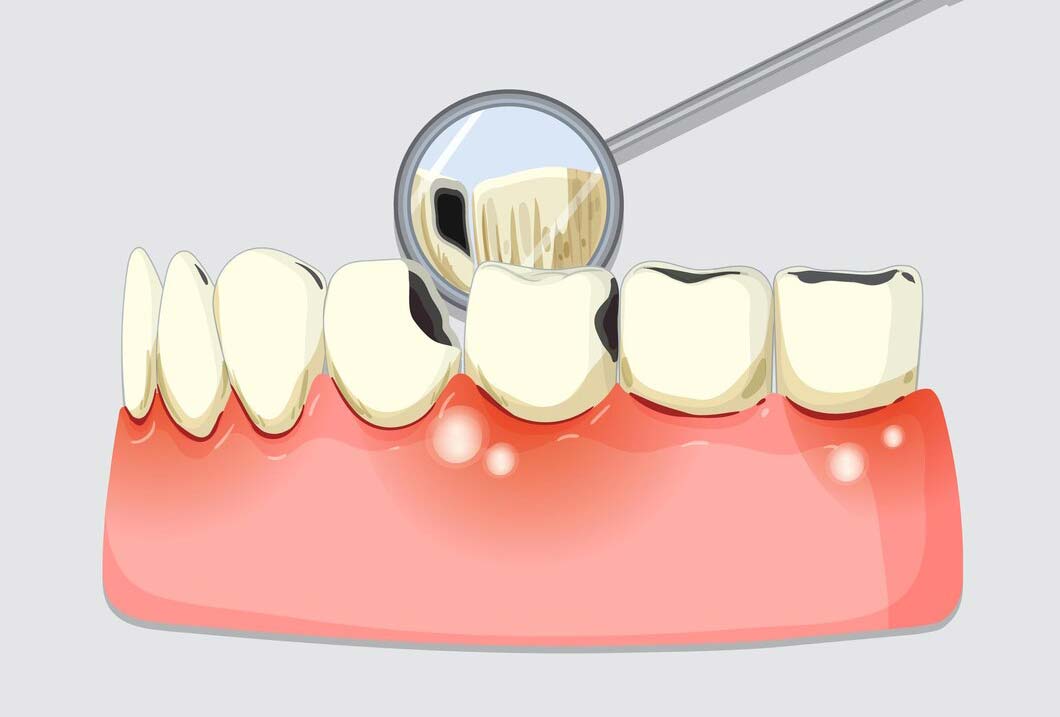
The gums may appear red or swollen and may bleed when brushing or flossing.
At this stage, inflammation has not yet caused the deeper destruction of the bone supporting the teeth that characterises periodontitis.
With appropriate professional care and effective daily plaque control, gingivitis can often be reversed.
That makes early intervention particularly valuable.
What Is Periodontitis?
Periodontitis is a more advanced form of periodontal disease.
The inflammation extends deeper into the supporting structures around the teeth and can lead to loss of the bone and tissues that hold teeth in place.
Unlike simple gingivitis, the structural damage caused by periodontitis cannot simply be reversed by brushing more carefully.
However, periodontal disease can be treated and managed, and in selected circumstances regenerative periodontal procedures may be used to rebuild lost supporting structures.
What Are the Warning Signs?
Possible signs include:
- Bleeding gums
- Red or swollen gums
- Persistent bad breath
- Gum recession
- Increasing spaces between teeth
- Changes in the way teeth meet
- Loose teeth
- Discomfort when chewing
Importantly, periodontal disease does not always cause obvious pain.
This is one reason routine periodontal assessment can be important.
Why Does Gum Disease Cause Bone Loss?
The teeth are not supported by the gums alone.
They are held within the jaw by a complex system that includes bone and periodontal tissues.
When periodontal inflammation progresses, these supporting structures can gradually be damaged.
As bone support is lost, periodontal pockets may deepen and teeth can eventually become less stable.
Can Lost Bone Be Regenerated?
In selected periodontal defects, regenerative techniques may be considered to rebuild some of the structures that have been lost.
Dr. Lander’s practice provides hard and soft tissue reconstruction, including contemporary regenerative techniques designed to rebuild bone and gum structures supporting natural teeth and dental implants.
Whether regeneration is possible depends on the type and extent of the defect, the health of the surrounding tissues and other individual factors.
How Is Periodontal Disease Treated?
Treatment depends on its severity.
Early disease may be managed with professional cleaning, improved plaque control and ongoing monitoring.
More advanced periodontal disease may require deeper periodontal treatment or surgical therapy.
The objective is to control the disease, create a healthier environment around the teeth and preserve as much natural support as possible.
Why Maintenance Matters
Periodontal treatment is not simply a one-time procedure.
Patients who have experienced periodontitis generally require ongoing professional maintenance because the condition can recur if bacterial deposits and other risk factors are not adequately controlled.
Long-term periodontal health therefore depends on a partnership between professional care and consistent home hygiene.
When Should You See a Beverly Hills Periodontist?
If your gums repeatedly bleed, your gumline is receding, your teeth are becoming loose or your dentist has identified periodontal pockets or bone loss, a specialist assessment can provide a clearer picture of what is happening.
Dr. Bradley Lander provides advanced periodontics in Beverly Hills, including treatment of periodontal disease and reconstruction of damaged supporting tissues. His practice emphasises minimally invasive, precision-focused periodontal care.
The earlier periodontal disease is identified, the greater the opportunity to protect the tissues that support your natural teeth.