
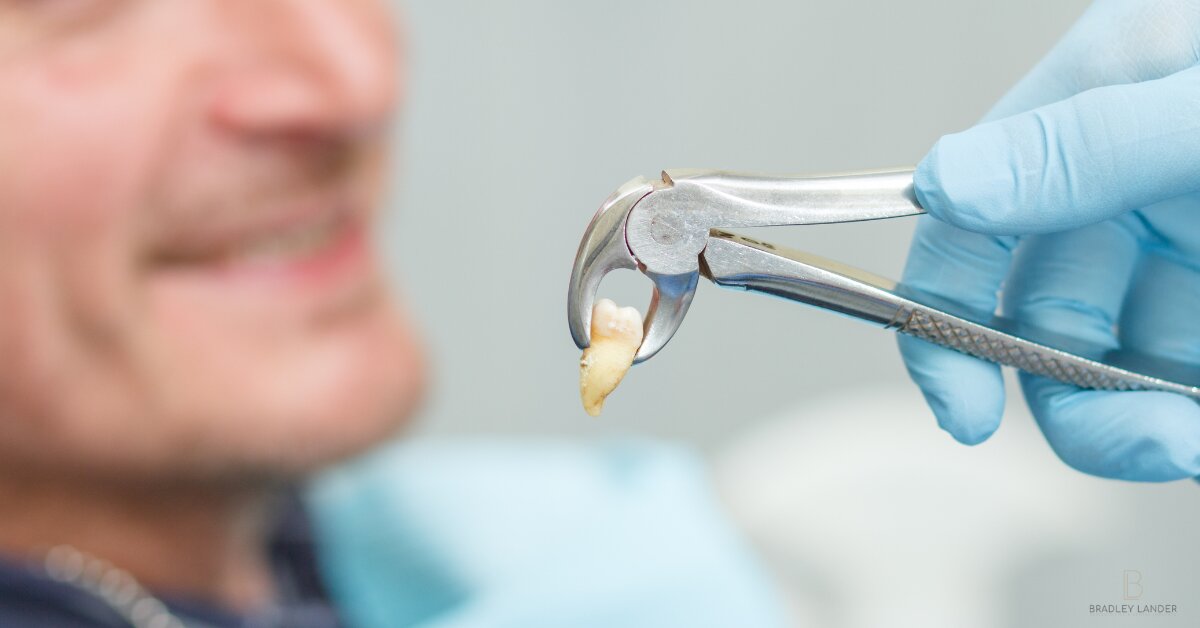
Tooth extraction aftercare is an important part of the healing process following dental treatment. Whether a tooth is removed because of severe decay, gum disease, damage, or overcrowding, proper recovery care helps protect the area and supports comfortable healing.
After a tooth extraction, the body immediately begins repairing the empty socket. Following the right after tooth extraction care steps can reduce discomfort, minimise swelling, and lower the risk of complications. Patients who follow professional guidance carefully often experience a smoother and faster recovery.
Why Tooth Extraction Aftercare Matters
Once a tooth has been removed, a blood clot forms inside the extraction site. This clot protects the bone and nerves underneath while the surrounding tissue begins healing. Protecting this clot is one of the most important parts of tooth extraction aftercare.
If the clot becomes dislodged too early, healing may slow down and discomfort can increase. Proper aftercare helps create a stable environment for recovery while reducing unnecessary irritation. Many patients are also concerned about possible pain and discomfort after the procedure. While mild soreness is normal, most symptoms improve steadily when the area is properly protected during healing.
The First 24 Hours After Extraction
The first 24 hours are especially important for recovery. During this stage, the mouth begins forming new protective tissue around the extraction site.
Following these after tooth extraction care guidelines may help support healing:
Rest and Avoid Strenuous Activity
Physical activity may increase bleeding and swelling during the early healing stage. Resting allows the body to focus on recovery.
Keep Your Head Elevated
Using an extra pillow while lying down may help reduce swelling and improve comfort.
Avoid Touching the Area
Patients should avoid touching the extraction site with fingers or the tongue. Disturbing the area may affect the blood clot and slow healing.
Follow Professional Instructions
Every extraction is different. Carefully following all post treatment recommendations can support a more predictable recovery experience.
Tooth Extraction Do’s and Don’ts
Understanding tooth extraction do’s and don’ts can help patients avoid complications during recovery.
Do’s After Tooth Extraction
Eat Soft Foods
Soft foods help reduce pressure on the healing area. Good options may include:
- Yogurt
- Mashed potatoes
- Soup
- Oatmeal
- Scrambled eggs
Stay Hydrated
Drinking enough water helps support healing and overall comfort.
Apply Cold Compresses
Cold compresses placed on the outside of the face may help minimise swelling during the first 24 to 48 hours.
Maintain Gentle Oral Hygiene
Patients should continue brushing and cleaning the mouth carefully while avoiding direct contact with the extraction site.
What to Avoid After Tooth Extraction
Knowing what to avoid after tooth extraction is equally important during recovery.
Avoid Smoking and Vaping
Smoking may interfere with circulation and delay healing. It can also increase the risk of dry socket.
Avoid Using Straws
The suction created by drinking through a straw may disturb the protective blood clot.
Avoid Hard or Crunchy Foods
Foods such as chips, popcorn, and nuts may irritate the healing area or become trapped near the socket.
Avoid Forceful Rinsing
Aggressive rinsing may interfere with the blood clot and slow recovery.
Avoid Heavy Exercise
Strenuous physical activity can increase pressure and contribute to prolonged bleeding.
These precautions help protect the extraction site and support healthier healing.
Managing Swelling and Recovery
Mild swelling and tenderness are common after a tooth extraction. Swelling often peaks within the first 48 hours before gradually improving.
Cold compresses, rest, and following professional instructions can help patients remain comfortable during recovery. Some patients may also use recommended pain relief medication if advised after treatment.
Understanding the expected recovery timeline can help patients feel more prepared during each stage of healing. While everyone heals differently, most people notice significant improvement within several days.
Keeping the Extraction Site Clean
Maintaining good oral hygiene is an important part of tooth extraction aftercare. A clean healing environment helps reduce bacteria while supporting tissue repair.
After the first 24 hours, gentle rinsing may be recommended. Patients should continue cleaning the surrounding teeth carefully without disturbing the extraction site.
Overly aggressive brushing or rinsing should be avoided until the area becomes more stable.
Supporting Long Term Healing
Healing continues beneath the surface even after discomfort begins improving. The jawbone and surrounding tissues continue rebuilding over time.
In some situations, preserving the bone structure after extraction may become important for future oral health. Procedures such as socket preservation may help maintain bone support and prepare the area for possible restorative treatment in the future.
A careful and consistent recovery approach supports both short term comfort and long term dental stability.
Common Signs of Healing
During recovery, many patients experience gradual improvements such as:
- Reduced swelling
- Less tenderness
- Improved comfort while eating
- Decreased sensitivity around the extraction site
These signs often indicate that healing is progressing normally.
When to Contact a Dental Professional
Although most recoveries progress without problems, patients should still monitor the area carefully.
Professional advice may be needed if symptoms include:
- Severe or worsening pain
- Persistent bleeding
- Increasing swelling after several days
- Fever or signs of infection
- Unpleasant taste or odour near the extraction site
Addressing concerns early can help prevent complications and support a smoother recovery.
Supporting Comfortable Healing After Tooth Extraction
Tooth extraction aftercare does not need to be complicated, but consistency is important. Small decisions made during recovery can have a significant impact on comfort, healing speed, and long term oral health.
By following proper after tooth extraction care instructions, understanding tooth extraction do’s and don’ts, and knowing what to avoid after tooth extraction, patients can support a safer and more comfortable healing process.
For patients seeking experienced periodontal care, Dr. Bradley Lander provides professional support for Tooth Extraction in Beverly Hills with a focus on patient comfort, recovery, and long term oral health.